
 CONTACT
- Linkman:Linda Yao
- Tel: +8618231198596
- Email:linda.yao@dcpharma.cn
- Linkman:CHARLES.WANG
- Department:Overseas
- Tel: 0086 0311-85537378 0086 0311-85539701
Antimicrobial Peptide Nisin,Food Preservative
TIME:2024-08-02
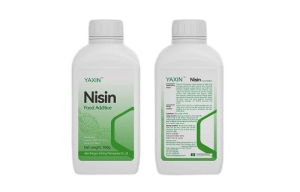
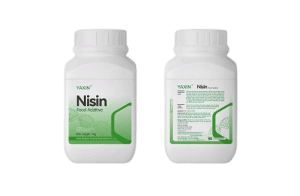
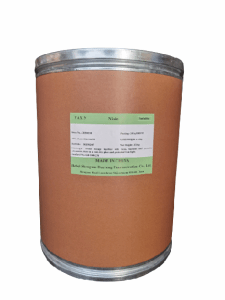
Nisin is an outstanding representative of antimicrobial peptides. It is a naturally occurring bioactive antimicrobial peptide synthesized and secreted by Lactococcus lactis ssp. lactis during its metabolic processes.
Nisin is composed of 34 amino acids, with a molecular weight of approximately 3500 Da (or 3354.07 g/mol) and a molecular formula of C143H228O37N42S7. It is a natural, efficient, and safe peptide substance and is the only bacteriocin in the world permitted for use as a food additive.
Nisin exhibits strong inhibitory effects on many Gram-positive bacteria, including food spoilage organisms and pathogens, especially spore-forming bacteria such as Bacillus and Clostridium species. Under specific conditions, such as in slightly acidic environments, it can also kill Gram-negative bacteria and other microorganisms. The stability of nisin is related to the pH value of the solution; for instance, when dissolved in dilute hydrochloric acid at pH=3, it retains high activity even after autoclaving, demonstrating excellent acid and heat resistance.
Nisin is widely used as a food preservative in dairy products, canned foods, fish products, and alcoholic beverages. It effectively extends the shelf life of foods while maintaining their color, aroma, taste, and texture. It is also used in meat products, seafood, condiments, brewing processes, baked goods, convenience foods, flavor bases, and cosmetics.
Pathological studies and toxicological tests have demonstrated that nisin is completely non-toxic. It can be degraded into amino acids by digestive enzymes in the gastrointestinal tract, leaving no residue, not affecting beneficial intestinal flora, and not producing resistance or cross-resistance with other antibiotics.
The use of nisin can lower sterilization temperatures, shorten sterilization times, reduce nutrient loss, improve food quality, and save energy. It can also replace or partially replace chemical preservatives and coloring agents (such as nitrites) to meet the needs of producing health foods and green foods.
Nisin production is achieved through the fermentation of Lactococcus lactis. By optimizing the culture medium and fermentation conditions, its yield and efficacy can be increased.
As an outstanding representative of antimicrobial peptides, nisin shows broad application prospects and significant commercial value in food preservation and other fields.


- Tel:+8618231198596
- Whatsapp:18231198596
- Chat With Skype
- About Us About Us
- Products Food additive series nisin Veterinary medicine se...
- News News
- Contact Us Contact Us Message