
Tel:+8618231198596
News
 CONTACT
CONTACT
- Linkman:Linda Yao
- Tel: +8618231198596
- Email:linda.yao@dcpharma.cn
- Linkman:CHARLES.WANG
- Department:Overseas
- Tel: 0086 0311-85537378 0086 0311-85539701
News
Tylvalosin tartrate premix contributes to improving food safety by controlling bacterial infections.
TIME:2024-07-31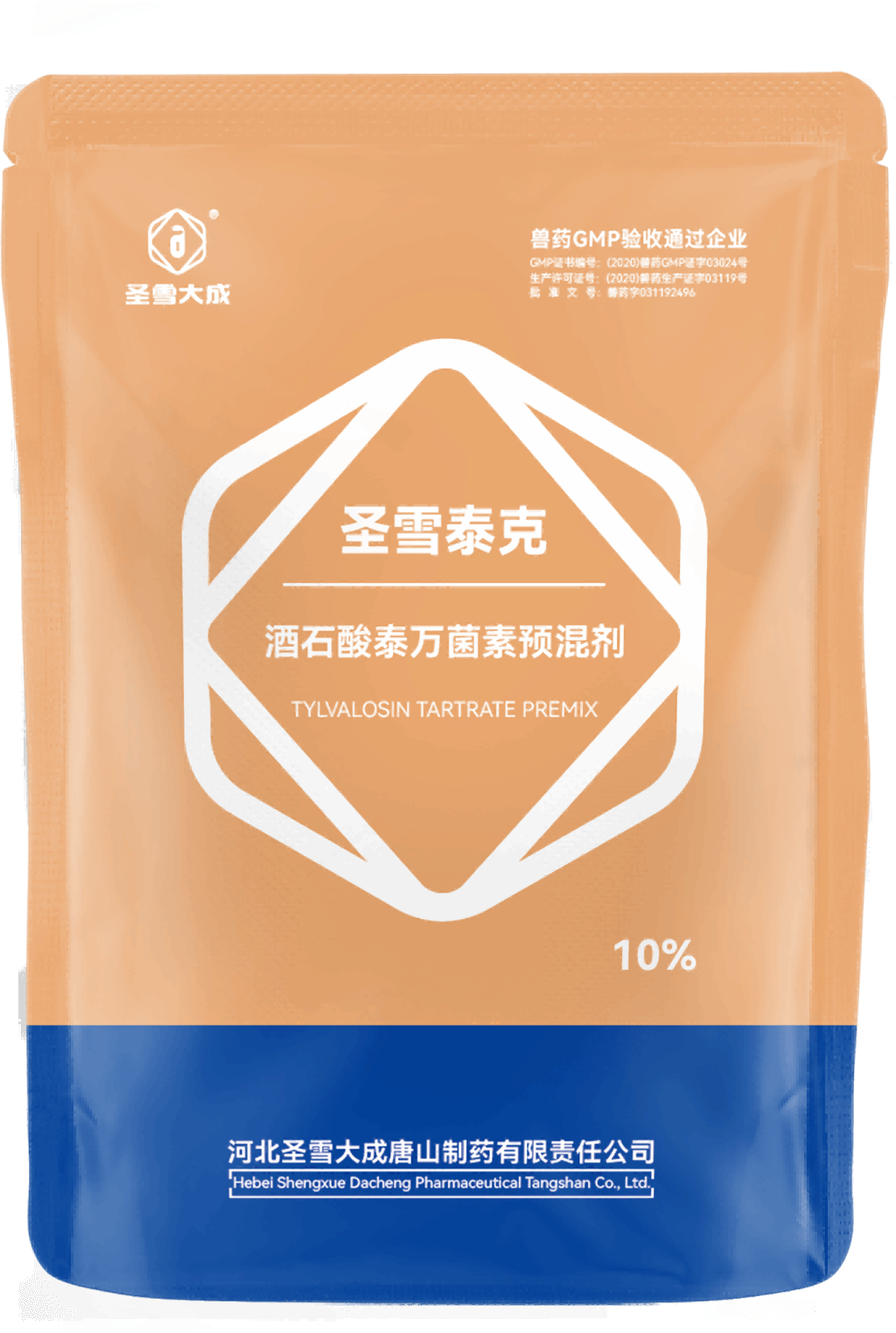
The Role of Tylvalosin Tartrate in Livestock Health
Tylvalosin tartrate is an antibiotic derived from tylosin, known for its effectiveness against a range of bacterial pathogens. It is commonly used in premix formulations to manage and prevent respiratory and enteric infections in livestock. By controlling bacterial infections, tylvalosin tartrate helps maintain animal health, which directly impacts food safety.
Mechanism of Action
Tylvalosin tartrate operates by binding to the 50S ribosomal subunit of bacteria, inhibiting protein synthesis. This action prevents bacterial growth and reproduction, thereby controlling infections and reducing the risk of disease spread within a herd or flock.
Bacterial Inhibition: Tylvalosin tartrate disrupts bacterial protein synthesis by binding to the 23S rRNA of the 50S ribosomal subunit. This interaction interferes with the formation of peptide bonds, essential for bacterial growth.
Broad-Spectrum Activity: It targets a variety of pathogens, including Gram-positive bacteria, mycoplasmas, and some Gram-negative bacteria, making it effective in managing multiple types of infections.
Impact on Food Safety
Food safety is a critical concern in livestock production, as pathogens present in animal products can pose risks to human health. Tylvalosin tartrate premix contributes to food safety in several ways:
1. Prevention of Pathogen Contamination
By controlling bacterial infections in livestock, tylvalosin tartrate helps prevent pathogens from contaminating animal products. This reduces the risk of foodborne illnesses and ensures the safety of meat and dairy products.
Reduced Pathogen Load: Effective control of bacterial infections lowers the overall pathogen load in animals, decreasing the likelihood of pathogen transmission through meat or milk.
Minimized Risk of Outbreaks: Preventing infections reduces the risk of disease outbreaks, which can lead to widespread contamination and health risks.
2. Improved Meat and Dairy Quality
Healthy animals produce higher-quality meat and dairy products. By managing infections and promoting overall health, tylvalosin tartrate helps ensure that animal products meet quality and safety standards.
Enhanced Product Quality: Healthy animals are less likely to have defects or abnormalities that could affect meat and dairy quality, leading to better product standards.
Compliance with Safety Standards: Effective disease management supports compliance with food safety regulations and standards, reducing the risk of product recalls and ensuring consumer safety.
3. Reduction in Residue Risks
Tylvalosin tartrate premix formulations are designed to minimize antibiotic residues in animal products. Adhering to recommended withdrawal periods helps ensure that residue levels remain within safe limits, protecting consumer health.
Withdrawal Periods: Proper use of tylvalosin tartrate, including adherence to withdrawal periods, ensures that antibiotic residues are eliminated from animal products before they reach the consumer market.
Residue Testing: Regular testing for antibiotic residues helps verify compliance with safety standards and prevents the presence of harmful levels in food products.
Benefits of Tylvalosin Tartrate Premix
The use of tylvalosin tartrate premix offers several benefits that contribute to improved food safety and overall livestock health:
1. Effective Disease Management
Tylvalosin tartrate provides effective control of respiratory and enteric infections, which are common in livestock. This helps maintain a healthy herd or flock and reduces the likelihood of disease transmission to humans.
Targeted Therapy: The antibiotic's broad-spectrum activity allows for targeted management of multiple pathogens, addressing a range of infection sources.
Reduced Need for Broad-Spectrum Antibiotics: By effectively controlling specific infections, tylvalosin tartrate reduces the need for more extensive antibiotic treatments, which can contribute to antimicrobial resistance.
2. Enhanced Production Efficiency
Healthy livestock are more productive and efficient in converting feed into meat and dairy products. By managing infections, tylvalosin tartrate supports optimal growth and performance, leading to better production outcomes.
Improved Growth Rates: Effective disease management promotes healthy growth rates and feed conversion, enhancing overall productivity.
Reduced Production Costs: Healthy animals require fewer therapeutic interventions, leading to cost savings and improved economic efficiency for producers.
3. Support for Sustainable Practices
By reducing the need for extensive antibiotic use and helping manage antimicrobial resistance, tylvalosin tartrate supports sustainable livestock production practices.
Antimicrobial Stewardship: Responsible use of tylvalosin tartrate aligns with antimicrobial stewardship principles, promoting the prudent use of antibiotics and reducing resistance risks.
Sustainable Production: Effective disease management contributes to sustainable production practices by minimizing the environmental impact and ensuring the long-term viability of livestock operations.
Challenges and Considerations
While tylvalosin tartrate premix formulations offer significant benefits, several challenges and considerations must be addressed to optimize their effectiveness and ensure food safety:
1. Antimicrobial Resistance
The use of antibiotics, including tylvalosin tartrate, can contribute to the development of antimicrobial resistance. Implementing responsible use practices and monitoring resistance patterns are essential for mitigating this risk.
Stewardship Programs: Antimicrobial stewardship programs promote responsible use of tylvalosin tartrate and other antibiotics, reducing the risk of resistance and ensuring long-term efficacy.
Resistance Monitoring: Regular monitoring of resistance patterns helps identify emerging resistance issues and inform adjustments to treatment protocols.
2. Regulatory Compliance
Compliance with regulatory standards for antibiotic use and residue testing is crucial for ensuring food safety and protecting consumer health.
Regulatory Standards: Adhering to regulations regarding withdrawal periods, residue limits, and antibiotic use is essential for maintaining food safety and quality.
Documentation and Reporting: Comprehensive documentation of tylvalosin tartrate use and adherence to regulatory guidelines supports compliance and facilitates regulatory reporting.
3. Economic Considerations
The cost of tylvalosin tartrate premix formulations and their impact on overall production costs must be carefully evaluated.
Cost-Benefit Analysis: Evaluating the economic feasibility of tylvalosin tartrate involves comparing treatment costs with benefits such as improved health, productivity, and food safety.
Economic Impact: Understanding the economic impact of tylvalosin tartrate on production costs and profitability helps optimize resource allocation and decision-making.
Future Perspectives
The future of tylvalosin tartrate premix formulations in enhancing food safety is shaped by ongoing research, technological advancements, and evolving industry practices. Key areas of focus include:
1. Advancements in Formulation Technologies
Research into advanced formulation technologies, such as controlled-release systems and encapsulation techniques, can enhance the stability and efficacy of tylvalosin tartrate premixes.
Controlled-Release Formulations: Developing controlled-release formulations can improve the delivery and efficacy of tylvalosin tartrate, optimizing its impact on disease management and food safety.
Encapsulation Techniques: Encapsulation technologies can enhance the stability and bioavailability of tylvalosin tartrate, contributing to more effective and targeted treatment.
2. Integration with Precision Livestock Farming
Precision livestock farming technologies, including real-time monitoring and data analytics, can improve disease management and antibiotic use.
Real-Time Monitoring: Implementing real-time monitoring systems for animal health and performance can provide valuable data for optimizing tylvalosin tartrate use and enhancing food safety.
Data-Driven Insights: Leveraging data analytics to identify health trends and inform treatment decisions can improve the effectiveness of tylvalosin tartrate and support more targeted interventions.
3. Focus on Antimicrobial Stewardship
Continued emphasis on antimicrobial stewardship and responsible antibiotic use is essential for managing resistance and ensuring the long-term effectiveness of tylvalosin tartrate.
Stewardship Practices: Promoting stewardship practices, such as rational dosing and adherence to withdrawal periods, helps mitigate resistance and supports sustainable production.
Education and Training: Providing education and training for producers and veterinarians on responsible antibiotic use and stewardship principles is crucial for optimizing tylvalosin tartrate effectiveness.
4. Global Collaboration and Regulatory Harmonization
Collaborative efforts between veterinarians, researchers, producers, and regulatory agencies can support global consistency in antibiotic use and food safety standards.
Knowledge Sharing: Sharing best practices and research findings across regions and industries can enhance the effectiveness of tylvalosin tartrate and contribute to improved food safety.
Regulatory Harmonization: Working towards harmonized regulatory standards for antibiotic use and residue testing can facilitate global trade and ensure consistent safety standards.
Conclusion
Tylvalosin tartrate premix formulations play a vital role in enhancing food safety by controlling bacterial infections in livestock. Through effective disease management, improved meat and dairy quality, and reduced residue risks, tylvalosin tartrate supports the production of safe and high-quality animal products. While challenges such as antimicrobial resistance, regulatory compliance, and economic considerations must be addressed, ongoing research and technological advancements offer opportunities for further optimizing its use.

Contact
- Tel:+8618231198596
- Whatsapp:18231198596
- Chat With Skype
- About Us About Us
- Products Food additive series nisin Veterinary medicine se...
- News News
- Contact Us Contact Us Message