
Tel:+8618231198596

News
 CONTACT
CONTACT
- Linkman:Linda Yao
- Tel: +8618231198596
- Email:linda.yao@dcpharma.cn
- Linkman:CHARLES.WANG
- Department:Overseas
- Tel: 0086 0311-85537378 0086 0311-85539701
News
Tylvalosin tartrate premix formulations are compatible with modern farming technologies.
TIME:2024-08-01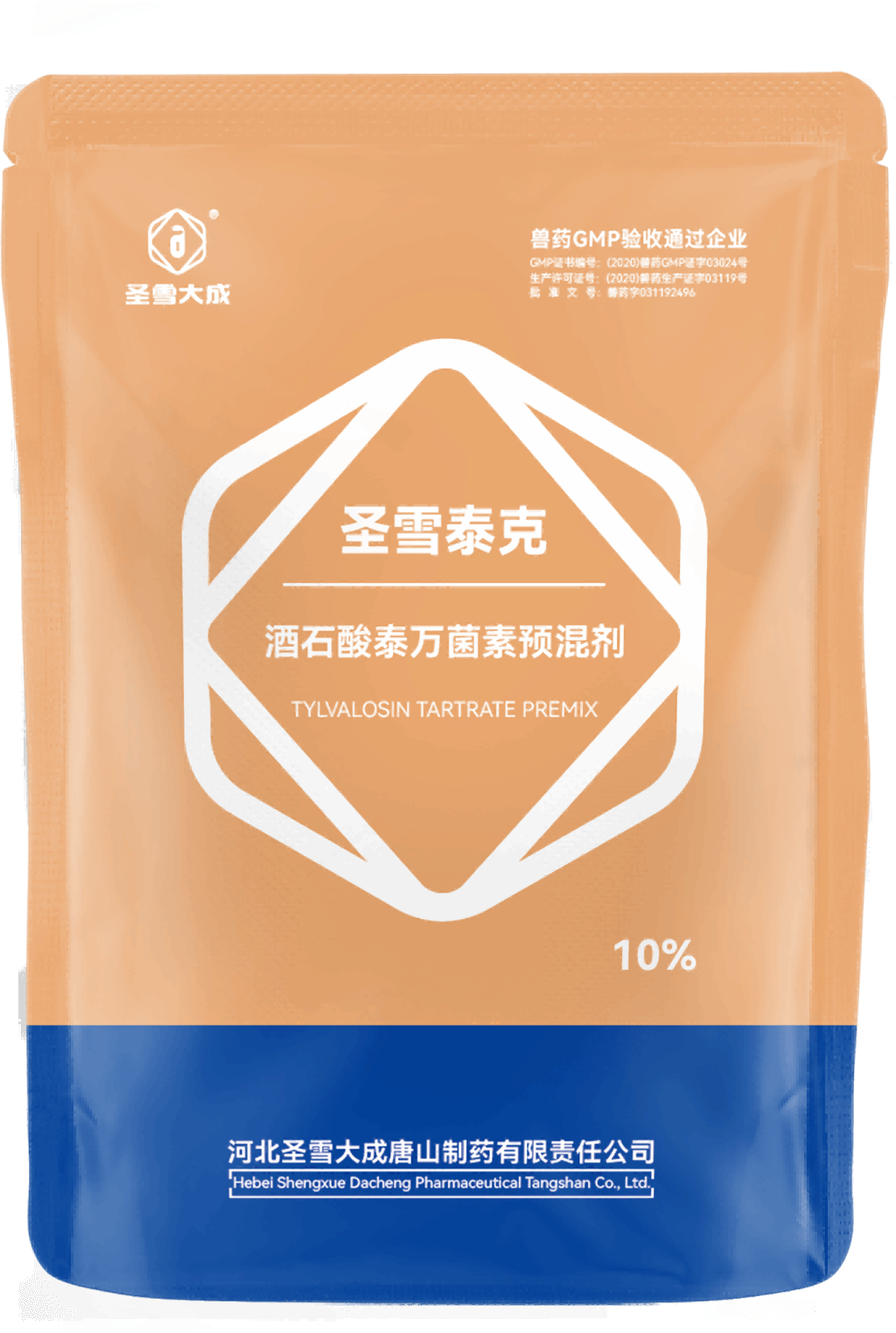
Understanding Tylvalosin Tartrate Premix
Chemical Properties and Mechanism:
Tylvalosin tartrate is a broad-spectrum macrolide antibiotic effective against various Gram-positive and some Gram-negative bacteria. It works by inhibiting bacterial protein synthesis, which helps control infections in livestock. The premix formulation allows tylvalosin to be incorporated into animal feed, ensuring uniform distribution and dosing.
Formulation and Administration:
The premix formulation of tylvalosin tartrate involves blending the antibiotic with feed ingredients to create a homogenous mixture. This ensures that each animal receives the correct dosage through their feed. The use of premix formulations simplifies administration and ensures consistency, which is crucial for effective disease management.
Modern Farming Technologies
Modern farming technologies have revolutionized livestock production, offering numerous tools and systems to enhance efficiency, productivity, and animal health. These technologies include:
Precision Feed Management:
Precision feed management technologies involve the use of advanced tools and systems to optimize feed usage and improve animal health. This includes automated feeding systems, feed formulation software, and real-time monitoring of feed intake.
Automated Feeding Systems:
Automated feeding systems ensure precise and consistent delivery of feed to livestock. These systems can be programmed to dispense tylvalosin tartrate premix in the correct proportions, ensuring that each animal receives the intended dosage. Automation reduces the risk of human error and improves the efficiency of feed management.
Feed Formulation Software:
Feed formulation software allows farmers to create balanced feed rations that meet the nutritional needs of livestock. These tools can integrate tylvalosin tartrate premix into the feed formulation, ensuring that the antibiotic is included at the appropriate levels. Software can also help optimize the use of tylvalosin based on specific health needs and production goals.
Real-Time Monitoring:
Real-time monitoring systems track feed consumption, growth rates, and overall animal health. Data collected through these systems can be used to adjust tylvalosin tartrate premix levels as needed. For example, if an outbreak of infection is detected, the system can trigger an increase in tylvalosin dosage to address the issue promptly.
Precision Agriculture:
Precision agriculture involves the use of technology to manage and optimize farming practices based on data-driven insights. This includes GPS-guided equipment, remote sensing, and data analytics.
GPS-Guided Equipment:
GPS-guided equipment ensures accurate application of inputs, including manure and feed. By integrating tylvalosin tartrate premix into feed systems, farmers can use GPS technology to ensure that the antibiotic is distributed evenly and effectively. This helps maintain consistent dosing and reduces the risk of underdosing or overdosing.
Remote Sensing:
Remote sensing technologies, such as drones and satellite imagery, provide valuable data on crop health, soil conditions, and environmental factors. This information can be used to adjust feed formulations, including the inclusion of tylvalosin tartrate premix, based on the specific needs of the livestock and the environmental conditions.
Data Analytics:
Data analytics tools process large volumes of data to provide actionable insights. By analyzing data on feed consumption, animal health, and production performance, farmers can make informed decisions about the use of tylvalosin tartrate premix. Analytics can help identify trends and patterns that inform adjustments to feed formulations and health management strategies.
Integrated Health Management Systems:
Integrated health management systems coordinate various aspects of animal health, including disease prevention, treatment, and monitoring. These systems use data from multiple sources to provide a comprehensive view of herd health.
Health Records Management:
Digital health records systems track the health status of individual animals and herds. These systems can record the administration of tylvalosin tartrate premix, monitor its effects, and provide alerts for follow-up actions. Integrated health records help ensure that tylvalosin is used effectively and in conjunction with other health management practices.
Decision Support Systems:
Decision support systems use data to recommend actions for improving animal health and productivity. These systems can analyze data on disease outbreaks, environmental conditions, and feed usage to optimize the use of tylvalosin tartrate premix. For example, the system may recommend increasing the dosage of tylvalosin during a disease outbreak to control the spread of infection.
Telemedicine and Remote Consultation:
Telemedicine technologies enable remote consultation with veterinarians and animal health experts. Farmers can seek advice on the use of tylvalosin tartrate premix and other treatments based on real-time data from their farms. Remote consultations facilitate timely interventions and help ensure that tylvalosin is used appropriately.
Compatibility with Modern Technologies
Enhanced Precision and Efficiency:
The premix formulation of tylvalosin tartrate is well-suited to modern precision feed management technologies. Automated feeding systems and feed formulation software can seamlessly integrate tylvalosin into feed rations, ensuring precise and efficient administration. This compatibility enhances the effectiveness of tylvalosin and reduces the risk of human error.
Data-Driven Decisions:
Modern farming technologies rely on data to drive decision-making. Tylvalosin tartrate premix can be incorporated into data-driven health management systems, allowing farmers to make informed decisions based on real-time data. This integration ensures that tylvalosin is used in a targeted and effective manner, addressing health issues as they arise.
Optimization of Resources:
Precision agriculture and feed management technologies help optimize resource use, including the use of tylvalosin tartrate premix. By analyzing data on feed consumption and animal health, farmers can adjust tylvalosin levels to meet the specific needs of their livestock. This optimization improves the overall efficiency of the farming operation and enhances animal health outcomes.
Reduction of Environmental Impact:
The use of tylvalosin tartrate premix in modern farming technologies can contribute to a reduction in environmental impact. Automated feeding systems and precision agriculture practices help minimize waste and reduce the risk of overuse or misuse of tylvalosin. This contributes to more sustainable farming practices and helps mitigate potential environmental concerns.
Benefits and Challenges
Benefits:
Consistency and Accuracy:
The premix formulation ensures consistent and accurate dosing of tylvalosin tartrate. Modern feeding systems and data analytics tools enhance the precision of administration, leading to more effective disease management.
Improved Animal Health:
Integration with modern technologies supports timely and targeted use of tylvalosin, leading to improved animal health and reduced incidence of infections. Real-time monitoring and decision support systems help address health issues proactively.
Enhanced Productivity:
Efficient use of tylvalosin tartrate premix contributes to better animal performance and productivity. By optimizing feed formulations and managing health issues effectively, farmers can achieve higher growth rates, improved feed conversion, and increased overall productivity.
Challenges:
Cost of Technology:
The implementation of modern farming technologies can involve significant investment. Farmers must weigh the costs of technology against the benefits of improved efficiency and animal health. Access to funding and financial support may be necessary to facilitate technology adoption.
Data Management:
The integration of tylvalosin tartrate premix with data-driven technologies requires effective data management. Farmers must ensure that data is accurately collected, analyzed, and used to make informed decisions. Data security and privacy concerns also need to be addressed.
Training and Expertise:
The use of advanced technologies requires training and expertise. Farmers and farm workers must be knowledgeable about how to operate and maintain technology systems, as well as how to interpret data and make decisions based on insights.
Future Directions
Advancements in Formulation:
Future research may focus on developing new formulations of tylvalosin tartrate premix that enhance its compatibility with emerging technologies. Innovations in formulation and delivery systems could improve the efficacy and sustainability of tylvalosin use.
Integration with Emerging Technologies:
As new technologies emerge, such as artificial intelligence and machine learning, there will be opportunities to further integrate tylvalosin tartrate premix with these advancements. AI-driven analytics and predictive modeling could enhance the precision of disease management and antibiotic use.
Sustainability and Environmental Impact:
Research into sustainable practices and technologies will continue to play a crucial role in minimizing the environmental impact of tylvalosin tartrate premix. Advances in waste management, resource optimization, and environmental monitoring will contribute to more sustainable farming practices.
Global Collaboration and Best Practices:
Collaboration among researchers, farmers, and industry stakeholders will be essential for sharing best practices and advancing the use of tylvalosin tartrate premix. Global efforts to address common challenges and promote effective and sustainable use of antibiotics will benefit the livestock industry as a whole.
Conclusion
Tylvalosin tartrate premix formulations are highly compatible with modern farming technologies, offering significant benefits in precision, efficiency, and animal health. Integration with advanced feed management systems, precision agriculture, and data-driven health management enhances the effectiveness of tylvalosin and supports sustainable farming practices.
While there are challenges associated with the adoption of modern technologies, the benefits of improved consistency, accuracy, and productivity outweigh these challenges. Ongoing research, technological advancements, and collaboration among stakeholders will continue to drive innovation and ensure that tylvalosin tartrate premix remains a valuable tool in modern livestock production.

Contact
- Tel:+8618231198596
- Whatsapp:18231198596
- Chat With Skype
- About Us About Us
- Products Food additive series nisin Veterinary medicine se...
- News News
- Contact Us Contact Us Message