
Tel:+8618231198596
News
 CONTACT
CONTACT
- Linkman:Linda Yao
- Tel: +8618231198596
- Email:linda.yao@dcpharma.cn
- Linkman:CHARLES.WANG
- Department:Overseas
- Tel: 0086 0311-85537378 0086 0311-85539701
News
Current Position:
Home >
News
>The World Health Organization has recognized nisin as a safe food additive.
The World Health Organization has recognized nisin as a safe food additive.
TIME:2024-08-01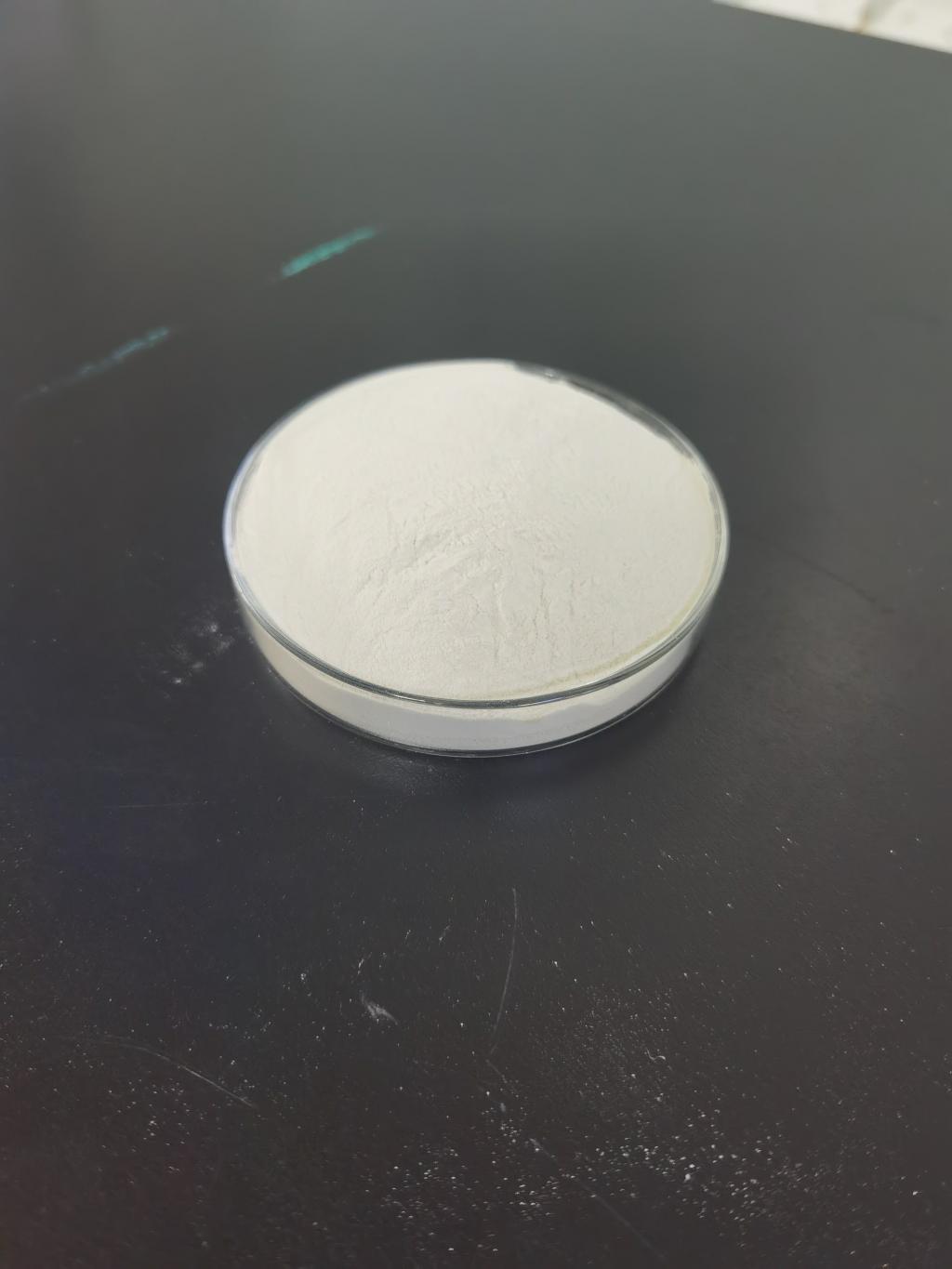
Understanding Nisin
Nisin is a polycyclic peptide produced by the fermentation of certain strains of Lactococcus lactis, a Gram-positive bacterium. It belongs to the class of antimicrobial peptides known as lantibiotics, which are distinguished by their unique structural features and ability to inhibit bacterial growth.
Chemical Structure and Mechanism of Action:
Nisin is composed of 34 amino acids and features a complex structure including several unusual amino acids such as lanthionine and methyllanthionine. Its antimicrobial activity is primarily attributed to its ability to bind to the bacterial cell membrane and form pores. This disrupts the cell membrane's integrity, leading to cell death. Nisin is particularly effective against Gram-positive bacteria, including a wide range of foodborne pathogens such as Listeria monocytogenes, Staphylococcus aureus, and Clostridium botulinum.
Production Process:
The production of nisin involves the fermentation of Lactococcus lactis strains in nutrient-rich media. After fermentation, nisin is extracted and purified through various biochemical techniques. The process is efficient and scalable, making nisin a viable option for large-scale food production.
WHO Recognition and Safety
The World Health Organization (WHO), alongside other international regulatory bodies, has recognized nisin as a safe and effective food additive. This acknowledgment is based on extensive research and rigorous evaluations.
Historical Context:
Nisin's safety profile has been established over decades of use and research. Initially discovered in the 1920s, nisin has been used in the food industry since the mid-20th century. Its inclusion in the WHO's list of approved food additives reflects a broad consensus on its safety and efficacy.
Toxicological Studies:
Numerous toxicological studies have been conducted to assess the safety of nisin. These studies include acute and chronic toxicity tests in various animal models, as well as evaluations of potential allergenicity and carcinogenicity. Results consistently show that nisin does not pose significant health risks when consumed at the levels typically used in food preservation. The peptide is rapidly broken down in the gastrointestinal tract, minimizing any potential adverse effects.
Regulatory Approvals:
In addition to WHO recognition, nisin has been approved by major regulatory agencies such as the U.S. Food and Drug Administration (FDA) and the European Food Safety Authority (EFSA). The FDA classifies nisin as "Generally Recognized as Safe" (GRAS), while EFSA has approved its use as food additive E234 with specific maximum allowable levels in various food categories.
Applications in Food Preservation
Nisin's effectiveness as a preservative is well-documented, and it is used in a wide range of food products to enhance safety and extend shelf life.
Dairy Products:
Nisin is widely used in dairy products such as cheese, yogurt, and milk. In cheese production, it helps control the growth of Clostridium species, which can lead to spoilage and gas production. Its use in dairy products not only extends shelf life but also reduces the risk of contamination with pathogenic bacteria like Listeria monocytogenes.
Meat and Poultry:
In the meat and poultry industry, nisin is employed to inhibit the growth of spoilage organisms and pathogens. It is used in processed meats, including sausages and canned meats, to enhance safety and prevent spoilage. Nisin's ability to combat Staphylococcus aureus and Listeria monocytogenes is particularly valuable in these applications.
Canned Foods:
Nisin is used in canned foods to provide an additional layer of protection against heat-resistant bacterial spores. In combination with heat processing, nisin helps prevent the growth of Clostridium botulinum, a bacterium that can cause botulism. This dual approach allows for lower heat treatments, preserving the sensory and nutritional qualities of the food.
Beverages and Other Products:
Beyond dairy, meat, and canned foods, nisin is also used in beverages, baked goods, and other processed foods. Its application in beverages such as fruit juices and wines helps prevent spoilage by lactic acid bacteria. In baked goods, nisin can extend freshness and prevent mold growth.
Safety and Environmental Impact
The safety of nisin is well-supported by scientific evidence, but its environmental impact and sustainability are also important considerations in its use.
Environmental Impact:
The production of nisin through fermentation is relatively environmentally friendly. The process uses renewable resources and produces minimal waste. Furthermore, nisin is biodegradable and does not persist in the environment, making it a sustainable choice for food preservation.
Sustainability:
The use of nisin can contribute to food waste reduction by extending the shelf life of products. This not only benefits consumers by reducing spoilage but also helps decrease the overall environmental footprint of food production and distribution.
Challenges and Future Prospects
Despite its advantages, the use of nisin is not without challenges. Addressing these challenges and exploring future prospects are crucial for maximizing its benefits in food preservation.
Spectrum of Activity:
Nisin is effective against Gram-positive bacteria but has limited activity against Gram-negative bacteria, yeasts, and molds. To address this limitation, nisin is often used in combination with other preservatives or preservation methods. Research into expanding nisin's spectrum of activity or developing synergistic combinations is ongoing.
Resistance Development:
While resistance to nisin is rare, it remains a concern. Research is focused on understanding the mechanisms of resistance and developing strategies to mitigate it. The use of nisin as part of a comprehensive preservation strategy can help minimize the risk of resistance.
Cost Considerations:
Nisin is generally more expensive than some synthetic preservatives. However, its natural origin and safety profile justify its use in many cases. Advances in production technology and economies of scale are expected to reduce costs in the future.
Consumer Perceptions:
Educating consumers about the benefits of nisin and its safety is important for its continued acceptance. As demand for natural and minimally processed foods grows, nisin's role as a natural preservative is likely to become more prominent.
Innovations and Research
The future of nisin in food preservation is bright, with ongoing research and innovations aimed at enhancing its effectiveness and expanding its applications.
Novel Delivery Systems:
Researchers are exploring advanced delivery systems for nisin, such as encapsulation in nanocarriers. These systems can improve nisin's stability, control its release, and enhance its effectiveness in various food products.
Genetic Engineering:
Advances in genetic engineering of Lactococcus lactis strains offer opportunities to improve nisin production. By modifying genetic pathways, researchers can increase yields, create nisin variants with enhanced properties, and develop new applications.
Non-Food Applications:
Nisin's potential extends beyond the food industry. In medicine, it is being investigated for use in wound dressings, dental care products, and treatments for antibiotic-resistant infections. In agriculture, nisin may serve as a natural preservative for animal feed and a biopesticide.
Conclusion
Nisin's recognition by the World Health Organization as a safe food additive highlights its significance in modern food preservation. Its effectiveness in controlling bacterial growth, combined with its natural origin and extensive safety profile, makes it a valuable tool in ensuring food safety and extending shelf life. As the food industry continues to prioritize natural and sustainable solutions, nisin's role is likely to grow, supported by ongoing research and innovations.

Contact
- Tel:+8618231198596
- Whatsapp:18231198596
- Chat With Skype
- About Us About Us
- Products Food additive series nisin Veterinary medicine se...
- News News
- Contact Us Contact Us Message