
Tel:+8618231198596

News
 CONTACT
CONTACT
- Linkman:Linda Yao
- Tel: +8618231198596
- Email:linda.yao@dcpharma.cn
- Linkman:CHARLES.WANG
- Department:Overseas
- Tel: 0086 0311-85537378 0086 0311-85539701
News
Safety and efficacy of ε-Polylysine hydrochloride in food additives
TIME:2024-08-01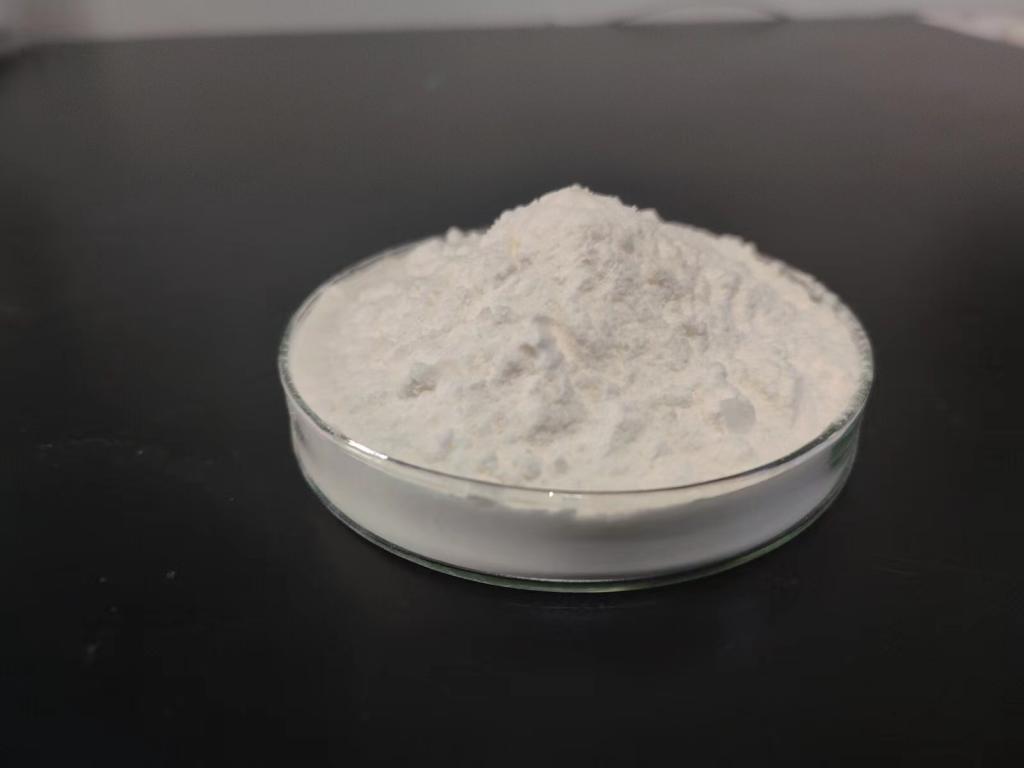
Understanding ε-Polylysine Hydrochloride
ε-Polylysine hydrochloride is a naturally occurring antimicrobial peptide known for its broad-spectrum activity against bacteria, yeasts, and molds. Its structure and production process endow it with unique properties that make it effective as a food preservative.
Chemical Structure and Mechanism of Action:
ε-Polylysine is composed of a chain of lysine residues linked through ε-amino groups. This polycationic structure allows ε-PL to interact with negatively charged microbial cell membranes. The binding disrupts membrane integrity, leading to leakage of cellular contents and ultimately causing cell death. ε-PL’s efficacy against a diverse range of microorganisms is due to this interaction with cell membranes, which is critical for maintaining food safety.
Production and Purification:
The production of ε-PL involves the fermentation of Streptomyces albulus in controlled environments, followed by extraction and purification. This process ensures the peptide’s high purity and effectiveness, making it suitable for use in food products.
Efficacy of ε-Polylysine Hydrochloride in Food Preservation
The primary role of ε-Polylysine in food additives is to enhance food safety and extend shelf life by preventing microbial growth. Its efficacy is demonstrated through its application in various food categories, including dairy products, meats, baked goods, and beverages.
Dairy Products:
ε-Polylysine is effectively used in dairy products such as cheese, yogurt, and milk. In cheese production, ε-PL inhibits the growth of spoilage organisms and pathogens, including Listeria monocytogenes and Clostridium species. This inhibition helps maintain the cheese’s quality, flavor, and safety throughout its shelf life. Similarly, in yogurt, ε-PL controls the growth of unwanted bacteria, preventing spoilage and ensuring the probiotic benefits are preserved.
Meat and Poultry:
ε-Polylysine is employed in the meat and poultry industry to control microbial contamination and extend shelf life. It is effective against pathogens such as Salmonella, Escherichia coli, and Staphylococcus aureus. By inhibiting these microorganisms, ε-PL helps improve the safety and quality of processed meats and poultry products, including sausages and ready-to-eat meals.
Baked Goods:
In baked goods, ε-PL is used to prevent mold growth and spoilage. It is particularly effective in bread and cakes, where it extends freshness and shelf life. By controlling mold and yeast growth, ε-PL ensures that baked goods remain visually appealing and safe for consumption over an extended period.
Beverages:
ε-Polylysine is utilized in beverages such as fruit juices, soft drinks, and wines to maintain freshness and prevent microbial contamination. It effectively inhibits yeast and mold species that can spoil beverages and affect their quality. By using ε-PL, manufacturers can reduce the need for artificial preservatives and offer products with a longer shelf life.
Processed Foods:
ε-Polylysine is also used in various processed foods, including sauces, soups, and snacks. Its antimicrobial properties help prevent spoilage and extend shelf life. Additionally, ε-PL can be combined with other preservatives to enhance overall effectiveness and provide a broader spectrum of protection.
Safety of ε-Polylysine Hydrochloride in Food Additives
The safety of ε-Polylysine hydrochloride is a critical consideration for its use as a food additive. Extensive research and evaluations have established ε-PL’s safety profile, making it a trusted ingredient in the food industry.
Toxicity Studies:
Toxicity studies have demonstrated that ε-Polylysine is generally safe for human consumption. Acute and chronic toxicity studies in animals have shown that ε-PL does not pose significant health risks when consumed at recommended levels. The peptide is rapidly metabolized and excreted, minimizing potential toxicity.
Allergenicity:
ε-Polylysine is not known to be allergenic. Extensive testing has shown that it does not cause allergic reactions in humans, further supporting its safety as a food additive. Its natural origin and absence of common allergens contribute to its suitability for inclusion in food products.
Regulatory Approvals:
ε-Polylysine has received approval from various regulatory authorities worldwide, reflecting its established safety profile. These approvals are based on comprehensive safety assessments and are crucial for its use in food products.
Consumer Acceptance:
The natural origin of ε-PL aligns with consumer preferences for clean-label and minimally processed foods. Its safety and effectiveness have contributed to its acceptance among consumers and manufacturers alike.
Regulatory Status of ε-Polylysine Hydrochloride
The use of ε-Polylysine hydrochloride in food additives is regulated by various international and national authorities to ensure its safety and efficacy.
World Health Organization (WHO):
The WHO recognizes ε-Polylysine as a safe food additive and includes it in its list of approved substances. This recognition is based on extensive research and evaluations demonstrating ε-PL’s safety when used at recommended levels.
U.S. Food and Drug Administration (FDA):
In the United States, the FDA classifies ε-Polylysine as “Generally Recognized as Safe” (GRAS). This designation allows for its use in a range of food products within specified maximum levels. The GRAS status reflects the FDA’s confidence in ε-PL’s safety and effectiveness.
European Food Safety Authority (EFSA):
The EFSA has approved ε-Polylysine as a food additive, with specific maximum permitted levels for different food categories. This approval underscores the agency’s commitment to ensuring the safety and quality of food products containing ε-PL.
Other International Regulations:
ε-Polylysine is also approved by various other international regulatory bodies, including the Food and Agriculture Organization (FAO) and national authorities in countries such as Japan and Australia. These approvals reflect the global recognition of ε-PL’s safety and efficacy.
Challenges and Future Directions
While ε-Polylysine hydrochloride offers significant benefits as a food additive, there are challenges and areas for future research.
Cost Considerations:
ε-Polylysine is generally more expensive than some synthetic preservatives. However, its natural origin and safety profile justify its use in many cases. Advances in production technology and economies of scale are expected to reduce costs in the future.
Spectrum of Activity:
While ε-PL is effective against a broad range of microorganisms, its activity against certain Gram-negative bacteria and molds may be limited. Ongoing research aims to enhance ε-PL’s spectrum of activity and explore its potential in new applications.
Regulatory Variations:
Regulatory standards for ε-PL may vary between countries, which can pose challenges for global food manufacturers. Harmonizing regulations and establishing consistent guidelines for ε-PL use can facilitate its adoption across different markets.
Innovations and Research
The future of ε-Polylysine in food preservation is promising, with ongoing research and innovations aimed at enhancing its effectiveness and expanding its applications.
Advanced Delivery Systems:
Researchers are exploring novel delivery systems for ε-PL, such as encapsulation in nanocarriers. These systems can improve ε-PL’s stability, control its release, and enhance its effectiveness in various food products.
Genetic Engineering:
Advances in genetic engineering of Streptomyces albulus strains offer opportunities to improve ε-PL production. By modifying genetic pathways, researchers can increase yields, create ε-PL variants with enhanced properties, and develop new applications.
Synergistic Combinations:
Combining ε-PL with other natural or synthetic preservatives may enhance its antimicrobial properties and broaden its application range. Research into synergistic combinations can provide more effective solutions for microbial control in food products.
Non-Food Applications:
ε-Polylysine’s potential extends beyond food preservation. In medicine, it is being investigated for use in wound dressings, dental care products, and treatments for antibiotic-resistant infections. In agriculture, ε-PL may serve as a natural preservative for animal feed and a biopesticide.
Conclusion
ε-Polylysine hydrochloride plays a vital role in food preservation, offering effective solutions for preventing spoilage and microbial contamination. Its natural origin, broad-spectrum antimicrobial activity, and safety profile make it a valuable tool in modern food safety practices. From dairy products and meats to baked goods and beverages, ε-PL’s ability to extend shelf life and enhance food safety is widely recognized and appreciated.

Contact
- Tel:+8618231198596
- Whatsapp:18231198596
- Chat With Skype
- About Us About Us
- Products Food additive series nisin Veterinary medicine se...
- News News
- Contact Us Contact Us Message