
Tel:+8618231198596
News
 CONTACT
CONTACT
- Linkman:Linda Yao
- Tel: +8618231198596
- Email:linda.yao@dcpharma.cn
- Linkman:CHARLES.WANG
- Department:Overseas
- Tel: 0086 0311-85537378 0086 0311-85539701
News
Current Position:
Home >
News
>Research evaluates the environmental impact of tylvalosin tartrate premix usage.
Research evaluates the environmental impact of tylvalosin tartrate premix usage.
TIME:2024-08-01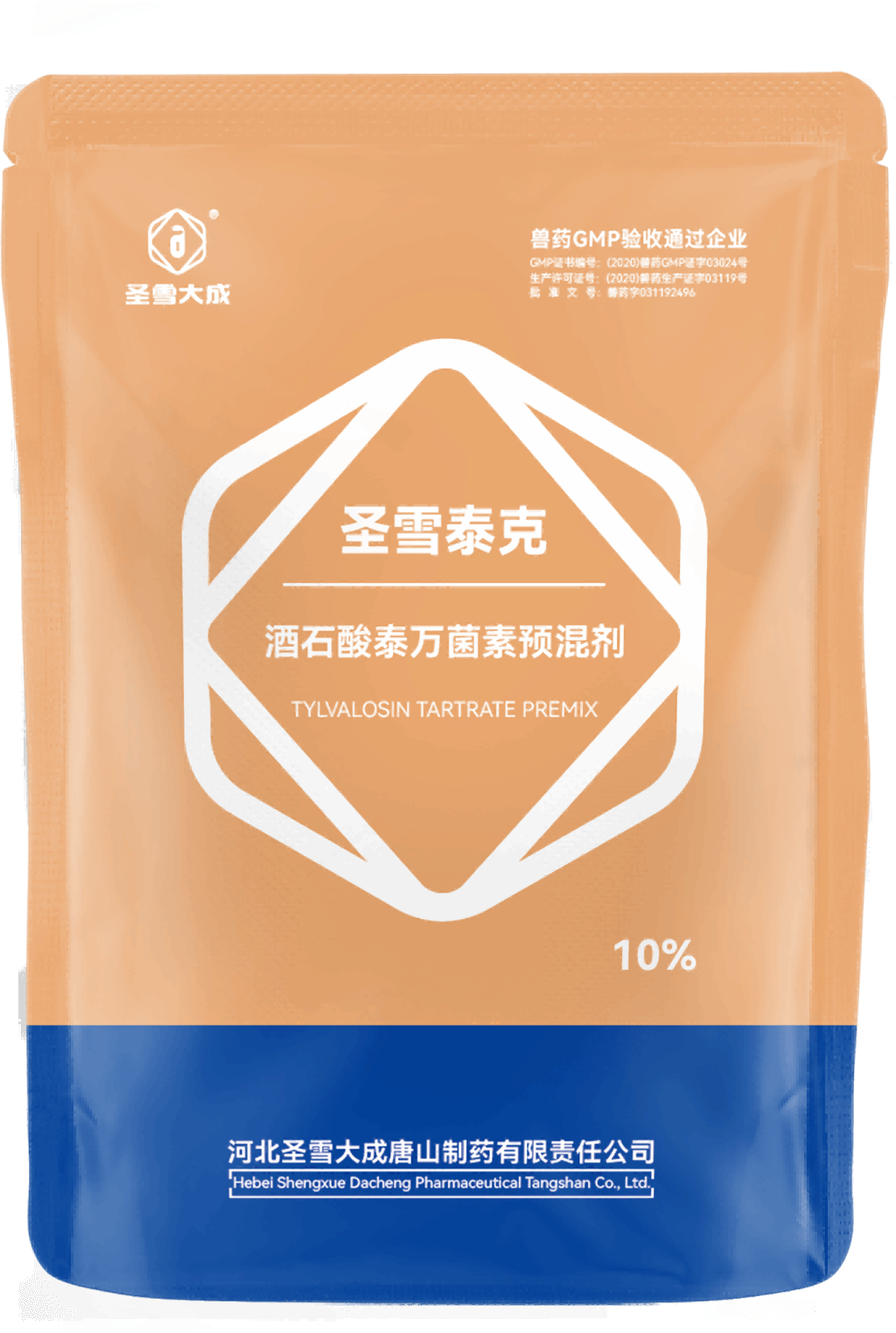
Understanding Tylvalosin Tartrate Premix
Chemical Properties:
Tylvalosin tartrate is a macrolide antibiotic derived from tylosin. It is known for its broad-spectrum antimicrobial activity against Gram-positive bacteria and some Gram-negative bacteria. The premix formulation allows tylvalosin to be incorporated into animal feed, ensuring uniform distribution and dosing.
Usage in Livestock:
Tylvalosin tartrate premix is used across various livestock species, including swine, poultry, and cattle. Its application helps control and prevent bacterial infections, thereby improving animal health and productivity. Despite its effectiveness, the widespread use of tylvalosin raises concerns about its environmental impact.
Potential Environmental Impacts
Soil Contamination:
When tylvalosin tartrate is used in animal feed, a portion of the antibiotic can be excreted by animals and enter the environment through manure. This can lead to soil contamination, particularly in areas with intensive animal production. The persistence of tylvalosin in soil can disrupt microbial communities, potentially affecting soil health and fertility.
Persistence and Degradation:
Tylvalosin has been shown to persist in soil under certain conditions. Its degradation rate can vary depending on factors such as soil type, temperature, and moisture. Persistent antibiotics can accumulate in soil and potentially impact soil microorganisms, which play a crucial role in nutrient cycling and soil health.
Impact on Soil Microbes:
Soil microorganisms are essential for decomposing organic matter, nutrient cycling, and maintaining soil structure. The presence of antibiotics in soil can alter microbial communities, reducing microbial diversity and potentially impairing soil functions. This disruption can lead to reduced soil fertility and impaired plant growth.
Water Contamination:
Antibiotic residues from animal manure and wastewater can enter water bodies through runoff or leaching. This can lead to contamination of surface and groundwater, affecting aquatic ecosystems.
Surface Water Contamination:
Runoff from agricultural fields where tylvalosin-treated manure is applied can carry antibiotic residues into rivers, lakes, and streams. This contamination can impact aquatic organisms, including fish, invertebrates, and algae. Antibiotics can disrupt aquatic microbial communities, leading to altered nutrient dynamics and potential harm to aquatic life.
Groundwater Contamination:
Antibiotic residues can leach through the soil and reach groundwater sources. This contamination poses risks to drinking water quality and can affect human and animal health. The persistence of antibiotics in groundwater can also impact aquatic ecosystems connected to groundwater sources.
Antibiotic Resistance:
The use of tylvalosin tartrate, like other antibiotics, contributes to the development of antibiotic-resistant bacteria. These resistant bacteria can persist in the environment and potentially transfer resistance genes to other bacteria, posing a threat to public health.
Resistance Development in Soil and Water:
Antibiotic-resistant bacteria and resistance genes can emerge in soil and water environments due to the presence of tylvalosin and other antibiotics. This can lead to the proliferation of resistant strains, which may eventually enter the food chain or affect human health.
Spread of Resistance Genes:
Resistance genes can spread through horizontal gene transfer, where bacteria exchange genetic material. This can occur in various environmental reservoirs, including soil and water. The spread of resistance genes can undermine the effectiveness of antibiotics used in both human and veterinary medicine.
Regulatory Measures and Best Practices
Addressing the environmental impact of tylvalosin tartrate premix requires a combination of regulatory measures, best practices, and research initiatives.
Regulatory Oversight:
Regulatory authorities play a crucial role in managing the environmental impact of antibiotics. In many countries, regulations govern the use of antibiotics in livestock, including guidelines on dosage, withdrawal periods, and disposal of manure.
Residue Monitoring:
Monitoring programs are implemented to track antibiotic residues in animal products and the environment. These programs help ensure compliance with regulatory standards and identify potential sources of contamination.
Environmental Risk Assessments:
Environmental risk assessments are conducted to evaluate the potential impact of antibiotics on ecosystems. These assessments consider factors such as persistence, degradation, and the effects on soil and water quality.
Best Practices in Manure Management:
Proper management of animal manure can reduce the environmental impact of tylvalosin tartrate and other antibiotics. Best practices include:
Manure Treatment:
Implementing treatment technologies, such as composting or anaerobic digestion, can reduce antibiotic residues in manure. These processes can also help stabilize manure and reduce its environmental impact.
Application Strategies:
Manure application strategies, such as avoiding application during heavy rain or incorporating manure into the soil, can reduce runoff and minimize the risk of water contamination.
Storage and Disposal:
Proper storage and disposal of manure can prevent the release of antibiotic residues into the environment. Using designated storage facilities and following guidelines for disposal can mitigate environmental risks.
Alternative Approaches:
Exploring alternatives to antibiotic use can help reduce the environmental impact. Approaches include:
Probiotics and Prebiotics:
Probiotics and prebiotics can enhance animal health and reduce the need for antibiotics. These alternatives can improve gut health and reduce the incidence of infections.
Vaccination and Disease Management:
Vaccination programs and improved disease management practices can reduce the reliance on antibiotics. By preventing infections, farmers can minimize the need for therapeutic interventions.
Precision Agriculture:
Precision agriculture techniques, such as targeted manure application and monitoring of soil and water quality, can optimize resource use and reduce environmental impact.
Research and Future Directions
Ongoing research is essential to better understand and mitigate the environmental impact of tylvalosin tartrate premix. Key areas of research include:
Environmental Fate and Transport:
Research on the fate and transport of tylvalosin in soil and water environments can provide insights into its persistence, degradation, and potential impact. This includes studying the factors influencing the movement of tylvalosin and its residues in different environmental contexts.
Impact on Microbial Communities:
Investigating the effects of tylvalosin on soil and aquatic microbial communities can help assess its impact on ecosystem functions. Understanding how tylvalosin affects microbial diversity and activity can inform management practices to minimize disruptions.
Resistance Mechanisms and Spread:
Research on antibiotic resistance mechanisms and the spread of resistance genes can provide insights into mitigating resistance issues. This includes studying the development and transfer of resistance genes in environmental reservoirs and exploring strategies to manage resistance.
Development of Sustainable Alternatives:
Exploring and developing sustainable alternatives to tylvalosin and other antibiotics can reduce environmental impact. Research into novel treatments, management practices, and integrated approaches can help support animal health while minimizing environmental risks.
Conclusion
Tylvalosin tartrate premix plays a crucial role in managing bacterial infections and maintaining herd health. However, its use also raises environmental concerns, including soil and water contamination and the development of antibiotic-resistant bacteria. Addressing these concerns requires a combination of regulatory oversight, best practices in manure management, and research into alternative approaches.

Contact
- Tel:+8618231198596
- Whatsapp:18231198596
- Chat With Skype
- About Us About Us
- Products Food additive series nisin Veterinary medicine se...
- News News
- Contact Us Contact Us Message