
Tel:+8618231198596
News
 CONTACT
CONTACT
- Linkman:Linda Yao
- Tel: +8618231198596
- Email:linda.yao@dcpharma.cn
- Linkman:CHARLES.WANG
- Department:Overseas
- Tel: 0086 0311-85537378 0086 0311-85539701
News
Current Position:
Home >
News
>Nisin is produced by fermentation and is considered safe for consumption.
Nisin is produced by fermentation and is considered safe for consumption.
TIME:2024-08-01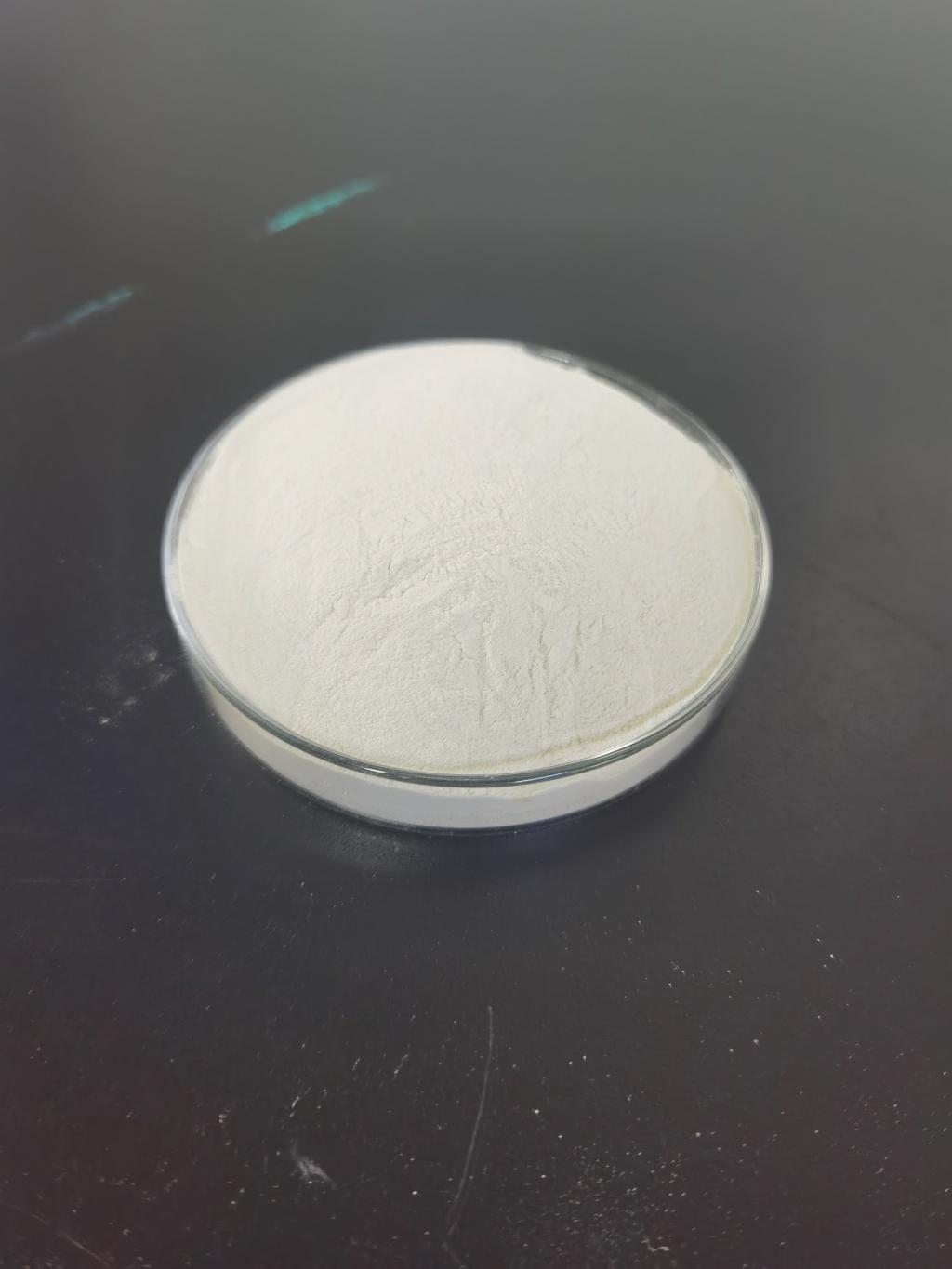
Production of Nisin
Nisin is produced through a fermentation process involving the bacterium Lactococcus lactis, a member of the lactic acid bacteria (LAB) group. The production process is typically carried out in controlled fermentation tanks where the bacteria are grown under specific conditions to optimize nisin yield.
Fermentation Process:
The production of nisin begins with the inoculation of a growth medium with Lactococcus lactis strains. The medium usually contains nutrients such as glucose, yeast extract, and peptones, which support bacterial growth and nisin production. The fermentation process is conducted under anaerobic conditions at a controlled pH and temperature, typically around 30°C. The fermentation time can vary, but it generally lasts between 24 to 48 hours, depending on the specific strain and conditions used.
Nisin Extraction and Purification:
After fermentation, the culture broth contains both the bacterial cells and nisin. The first step in the extraction process is the removal of bacterial cells through centrifugation or filtration. The supernatant, which contains nisin, is then subjected to further purification steps. These steps may include precipitation, dialysis, and chromatography to isolate and concentrate the nisin. The final product is often dried to produce a stable powder that can be used directly as a food preservative.
Optimization and Yield Improvement:
Research continues to optimize nisin production through genetic engineering of Lactococcus lactis strains, as well as through the optimization of fermentation conditions. Advances in biotechnology have enabled more efficient production processes, reducing costs and increasing the availability of nisin for industrial use.
Applications of Nisin in the Food Industry
Nisin's unique antimicrobial properties make it highly versatile in the food industry, where it is employed to extend shelf life and ensure the safety of various food products. Its application is particularly prevalent in dairy products, meat, and canned foods.
Dairy Products:
Nisin is widely used in dairy products such as cheese, yogurt, and cream to prevent spoilage and pathogenic bacteria. In cheese production, nisin is particularly valuable in controlling the growth of Clostridium species, which can cause spoilage through gas formation and off-flavors. The use of nisin not only extends the shelf life of cheese but also improves its safety by reducing the risk of contamination with Listeria monocytogenes, a serious foodborne pathogen.
Meat and Poultry:
In the meat and poultry industry, nisin is used to control the growth of spoilage organisms and pathogens such as Staphylococcus aureus and Listeria monocytogenes. It is often applied as part of a hurdle technology approach, where it is combined with other preservation methods such as refrigeration, modified atmosphere packaging, and high-pressure processing to enhance the safety and shelf life of meat products.
Canned Foods:
Canned foods, which are typically subjected to heat treatment to ensure sterility, can also benefit from the addition of nisin. In this context, nisin acts as an additional safeguard against the growth of heat-resistant spores of bacteria like Clostridium botulinum. The inclusion of nisin allows for lower heat treatments, which can help preserve the sensory and nutritional quality of the food while ensuring safety.
Beverages:
Nisin has found applications in certain beverage products, particularly those that are prone to spoilage by lactic acid bacteria. For example, it is used in the preservation of fruit juices, beer, and wine to prevent spoilage without altering the flavor profile of the beverage.
Other Applications:
Beyond the traditional food categories, nisin is also used in other areas such as the preservation of baked goods, prepared foods, and certain non-food applications like cosmetics and pharmaceuticals. Its versatility is a testament to its broad-spectrum activity and safety profile.
Safety Profile of Nisin
The safety of nisin for consumption has been well established through extensive research and regulatory assessments. It is classified as a generally recognized as safe (GRAS) substance by the U.S. Food and Drug Administration (FDA) and has received similar approvals from other regulatory bodies around the world, including the European Food Safety Authority (EFSA).
Toxicological Studies:
Toxicological studies have shown that nisin is not toxic to humans when consumed at the levels typically used in food preservation. Acute and chronic toxicity studies in animals have demonstrated that nisin is rapidly degraded by digestive enzymes in the gastrointestinal tract, resulting in no adverse effects even at high doses. These findings support the safe use of nisin as a food preservative.
Allergenicity:
Nisin has a low potential for allergenicity, as it is a small peptide that is easily broken down in the digestive system. There have been no reported cases of allergic reactions to nisin in the general population, further supporting its safety for widespread use.
Impact on Gut Microbiota:
One area of interest regarding the safety of nisin is its potential impact on the gut microbiota. Studies have shown that while nisin can inhibit certain Gram-positive bacteria, it does not significantly disrupt the overall balance of gut microbiota when consumed as part of a normal diet. This is likely due to its rapid degradation in the digestive tract and its selective activity against specific bacteria.
Regulatory Approvals:
Nisin is approved for use in a wide range of food products in many countries around the world. In the European Union, it is listed as food additive E234 and is allowed in specific food categories with maximum permitted levels. The Joint FAO/WHO Expert Committee on Food Additives (JECFA) has also evaluated nisin and established an acceptable daily intake (ADI) of 0.13 mg/kg body weight, reflecting the high level of confidence in its safety.
Environmental Impact and Sustainability
As consumer interest in sustainability grows, the environmental impact of food additives like nisin is increasingly scrutinized. Fortunately, the production of nisin is relatively environmentally friendly, as it involves fermentation, a natural process that has a lower carbon footprint compared to chemical synthesis.
Sustainable Production:
The production of nisin through fermentation using Lactococcus lactis is considered sustainable, as it relies on renewable resources and does not produce significant waste. The by-products of the fermentation process can often be repurposed or used in other industrial processes, further enhancing the sustainability of nisin production.
Biodegradability:
Nisin is biodegradable and does not persist in the environment, making it an environmentally friendly option for food preservation. Once it has performed its preservative function, nisin is broken down by natural processes, reducing its environmental impact compared to synthetic preservatives that may accumulate in ecosystems.
Contributions to Food Waste Reduction:
By extending the shelf life of food products, nisin plays a role in reducing food waste, which is a significant issue globally. Longer shelf life means less food is discarded due to spoilage, which not only benefits consumers but also reduces the overall environmental footprint of food production and distribution.
Challenges and Limitations
Despite its many advantages, the use of nisin is not without challenges and limitations. Understanding these factors is important for maximizing its effectiveness in food preservation.
Spectrum of Activity:
While nisin is effective against a wide range of Gram-positive bacteria, it is not effective against Gram-negative bacteria, yeast, or molds. This limits its use as a standalone preservative in products that are susceptible to spoilage by these microorganisms. To overcome this limitation, nisin is often used in combination with other preservatives or preservation methods to provide comprehensive protection.
Resistance Development:
As with any antimicrobial agent, there is a potential risk of bacteria developing resistance to nisin. Although resistance to nisin is relatively rare and often associated with specific environmental conditions, it remains a concern for the food industry. Ongoing research is focused on understanding the mechanisms of resistance and developing strategies to minimize its occurrence.
Cost Considerations:
Nisin is generally more expensive than some synthetic preservatives, which can be a consideration for manufacturers, especially in cost-sensitive markets. However, the trend towards natural and clean-label ingredients is driving demand for nisin despite its higher cost. Advances in production technology and economies of scale are expected to reduce costs over time.
Consumer Perceptions:
While nisin is natural and safe, consumer awareness of its benefits is not universal. Educating consumers about the advantages of nisin over synthetic preservatives is crucial for its acceptance and widespread use. Misconceptions about the safety and efficacy of natural preservatives can impact consumer choices and influence market trends.
Future Prospects and Innovations
The future of nisin in the food industry looks promising, with ongoing research and innovations aimed at expanding its applications and improving its efficacy.
Novel Delivery Systems:
Researchers are exploring innovative delivery systems for nisin, such as encapsulation in nanocarriers, to enhance its stability and activity in food products. These delivery systems can protect nisin from degradation and control its release, improving its effectiveness as a preservative.
Synergistic Combinations:
Combining nisin with other natural antimicrobials or preservation methods is an area of active research. Synergistic combinations can broaden the spectrum of activity and reduce the required doses of each component, enhancing overall preservative efficacy while maintaining a natural label.
Genetic Engineering:
Advances in genetic engineering of Lactococcus lactis and other LAB strains are opening new possibilities for nisin production. By modifying the genetic pathways involved in nisin biosynthesis, researchers are working to increase yields and create variants with improved properties, such as enhanced antimicrobial activity or broader spectrum.
Non-Food Applications:
Beyond the food industry, nisin is also being explored for applications in other fields, such as medicine and agriculture. In medicine, nisin's antimicrobial properties are being investigated for use in wound dressings, dental care products, and as a potential treatment for antibiotic-resistant infections. In agriculture, nisin is being considered as a natural preservative for animal feed and as a biopesticide.
Conclusion
Nisin stands out as a remarkable example of a natural food preservative that has found widespread acceptance and application across the food industry. Its production through fermentation, coupled with its effectiveness in inhibiting a broad spectrum of spoilage and pathogenic bacteria, has made it a valuable tool in ensuring food safety and extending shelf life. The safety of nisin for consumption has been well established, supported by extensive toxicological studies and regulatory approvals worldwide.

Contact
- Tel:+8618231198596
- Whatsapp:18231198596
- Chat With Skype
- About Us About Us
- Products Food additive series nisin Veterinary medicine se...
- News News
- Contact Us Contact Us Message