
Tel:+8618231198596

News
 CONTACT
CONTACT
- Linkman:Linda Yao
- Tel: +8618231198596
- Email:linda.yao@dcpharma.cn
- Linkman:CHARLES.WANG
- Department:Overseas
- Tel: 0086 0311-85537378 0086 0311-85539701
News
Current Position:
Home >
News
>Nisin can inhibit the growth of Listeria monocytogenes in dairy products.
Nisin can inhibit the growth of Listeria monocytogenes in dairy products.
TIME:2024-08-01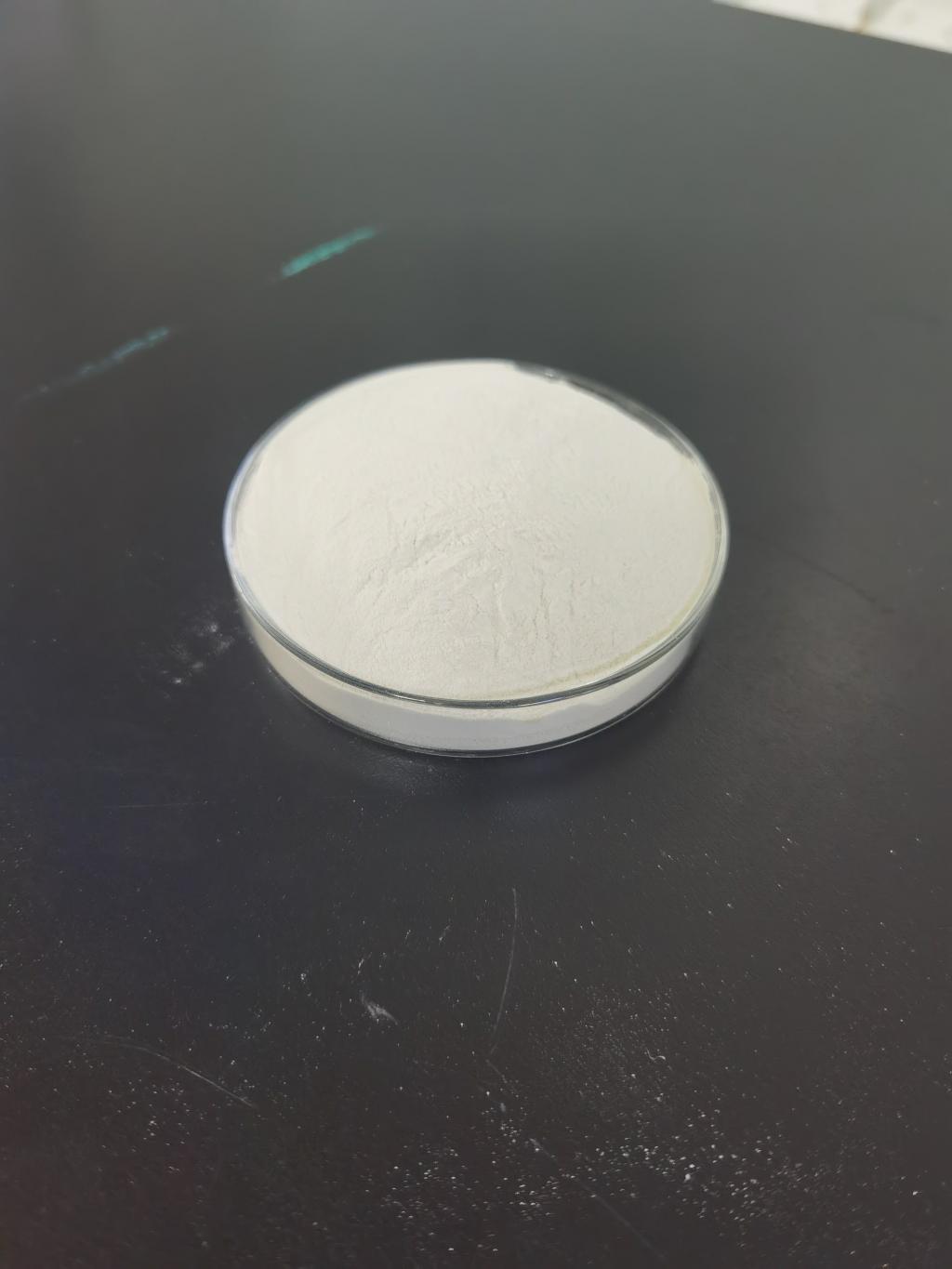
Understanding Listeria monocytogenes and Its Impact
Listeria monocytogenes is a Gram-positive, rod-shaped bacterium that can grow at low temperatures, such as those found in refrigeration. This characteristic makes it a particular threat to refrigerated foods, including dairy products. The bacterium is known for its ability to persist in the environment and on food processing equipment, contributing to its potential to cause foodborne illness.
Health Risks of Listeriosis:
Listeriosis can manifest in various forms, ranging from mild flu-like symptoms to severe invasive disease, including meningitis and septicemia. Pregnant women are particularly at risk, as listeriosis can lead to miscarriage, stillbirth, or premature delivery. Neonates, elderly individuals, and those with weakened immune systems are also at high risk for severe outcomes. The ability of Listeria monocytogenes to survive and grow at refrigerator temperatures necessitates effective control measures in food production and processing.
Challenges in Controlling Listeria monocytogenes:
The bacterium's resilience to low temperatures and its potential for cross-contamination in food processing environments make it challenging to control. Traditional methods, such as pasteurization and proper hygiene practices, are crucial but not always sufficient to eliminate the risk entirely. This has driven the search for additional antimicrobial strategies to enhance food safety.
Nisin: An Overview
Nisin is a lantibiotic, a class of antimicrobial peptides characterized by their ability to inhibit the growth of Gram-positive bacteria. It is produced through fermentation by Lactococcus lactis and has been widely used in the food industry due to its safety profile and effectiveness.
Chemical Structure and Mechanism of Action:
Nisin is composed of 34 amino acids and features a unique structure with lanthionine and methyllanthionine bridges. Its primary mechanism of action involves binding to the bacterial cell membrane and forming pores. This action disrupts the cell membrane's integrity, leading to leakage of cellular contents and ultimately bacterial cell death. Nisin's ability to target specific bacterial cell wall components makes it particularly effective against Gram-positive bacteria, including Listeria monocytogenes.
Production and Applications:
Nisin is produced via fermentation in controlled conditions, followed by extraction and purification. It is used as a preservative in various food products, including dairy items, meats, and canned foods. Its natural origin and effectiveness in inhibiting a wide range of Gram-positive bacteria make it a preferred choice for enhancing food safety.
Mechanism of Nisin in Controlling Listeria monocytogenes
Nisin's effectiveness in controlling Listeria monocytogenes in dairy products is attributed to its specific mode of action and interactions with the bacterial cell membrane.
Targeting Cell Membrane:
Nisin binds to lipid II, a key component of the bacterial cell wall biosynthesis pathway. This binding disrupts the cell wall synthesis and destabilizes the cell membrane, leading to cell lysis. Listeria monocytogenes is particularly susceptible to nisin due to its Gram-positive nature, which means its cell wall structure is amenable to nisin's action.
Synergistic Effects with Other Preservatives:
Nisin's antimicrobial activity can be enhanced when used in combination with other preservatives or processing methods. For instance, when combined with refrigeration, nisin can more effectively inhibit Listeria monocytogenes growth in dairy products. Additionally, nisin's effectiveness can be augmented by adjusting pH levels or using it in conjunction with other natural preservatives.
Nisin in Dairy Products
Dairy products are particularly susceptible to contamination by Listeria monocytogenes due to their high moisture content and relatively neutral pH. Nisin has proven to be a valuable tool in mitigating this risk.
Cheese:
Nisin is commonly used in cheese production to prevent the growth of Listeria monocytogenes. It is particularly effective in semi-hard and hard cheeses, where it can inhibit bacterial growth during aging and storage. Nisin's role in cheese preservation extends beyond just controlling pathogens; it also helps maintain the quality and safety of the final product.
Yogurt and Cream:
In yogurt and cream products, nisin helps control the growth of Listeria monocytogenes and other spoilage organisms. Its inclusion in these products enhances their shelf life and safety without significantly altering their flavor or texture. Nisin's effectiveness in yogurt and cream products makes it a valuable addition to these dairy items, especially in refrigerated storage conditions.
Milk:
While nisin is less commonly used in liquid milk, it can be employed in certain processed milk products where extended shelf life and safety are crucial. In these applications, nisin helps prevent post-processing contamination and extends the product's freshness.
Regulatory Considerations
The use of nisin in food products, including dairy items, is regulated by various international and national authorities to ensure its safety and efficacy.
World Health Organization (WHO):
The WHO recognizes nisin as a safe food additive and has included it in its list of approved substances. This recognition is based on extensive research demonstrating nisin's safety when used at appropriate levels in food products.
U.S. Food and Drug Administration (FDA):
In the United States, nisin is classified as "Generally Recognized as Safe" (GRAS) by the FDA. This designation allows for its use in a variety of food products, including dairy items, within specified maximum levels.
European Food Safety Authority (EFSA):
The EFSA has approved nisin as food additive E234, with specific maximum permitted levels for different food categories. This approval reflects the agency's confidence in nisin's safety and effectiveness in food preservation.
Safety and Environmental Impact
Nisin's safety and environmental impact are important considerations in its use as a food preservative.
Safety Profile:
Nisin has been extensively tested for toxicity and allergenicity. Studies have shown that nisin is not toxic to humans at the levels used in food preservation. It is rapidly degraded in the gastrointestinal tract, minimizing any potential adverse effects.
Environmental Impact:
The production of nisin through fermentation is relatively environmentally friendly. The process uses renewable resources and produces minimal waste. Nisin is biodegradable and does not persist in the environment, making it a sustainable option for food preservation.
Challenges and Future Directions
Despite its benefits, the use of nisin in dairy products faces certain challenges that need to be addressed.
Resistance Development:
Although resistance to nisin is rare, it is a potential concern. Ongoing research aims to understand the mechanisms of resistance and develop strategies to mitigate it. Using nisin as part of a broader food safety strategy can help reduce the risk of resistance.
Cost Considerations:
Nisin is generally more expensive than some synthetic preservatives. However, its natural origin and safety profile justify its use in many cases. Advances in production technology and economies of scale are expected to reduce costs over time.
Consumer Perceptions:
Educating consumers about the benefits of nisin and its safety is crucial for its continued acceptance. As demand for natural and minimally processed foods grows, nisin's role as a natural preservative is likely to become more prominent.
Innovations and Future Prospects
The future of nisin in food preservation is promising, with ongoing research and innovations aimed at enhancing its effectiveness and expanding its applications.
Novel Delivery Systems:
Researchers are exploring advanced delivery systems for nisin, such as encapsulation in nanocarriers. These systems can improve nisin's stability, control its release, and enhance its effectiveness in various dairy products.
Genetic Engineering:
Advances in genetic engineering of Lactococcus lactis strains offer opportunities to improve nisin production. By modifying genetic pathways, researchers can increase yields, create nisin variants with enhanced properties, and develop new applications.
Non-Food Applications:
Nisin's potential extends beyond the food industry. In medicine, it is being investigated for use in wound dressings, dental care products, and treatments for antibiotic-resistant infections. In agriculture, nisin may serve as a natural preservative for animal feed and a biopesticide.
Conclusion
Nisin's role in inhibiting Listeria monocytogenes in dairy products underscores its importance as a natural and effective food preservative. Its ability to target and disrupt the bacterial cell membrane makes it particularly valuable in controlling this pathogen, which poses significant health risks. The recognition of nisin by the World Health Organization, along with its approval by other regulatory bodies, highlights its safety and efficacy in food preservation.

Contact
- Tel:+8618231198596
- Whatsapp:18231198596
- Chat With Skype
- About Us About Us
- Products Food additive series nisin Veterinary medicine se...
- News News
- Contact Us Contact Us Message