
Tel:+8618231198596

News
 CONTACT
CONTACT
- Linkman:Linda Yao
- Tel: +8618231198596
- Email:linda.yao@dcpharma.cn
- Linkman:CHARLES.WANG
- Department:Overseas
- Tel: 0086 0311-85537378 0086 0311-85539701
News
Has ε-Polylysine hydrochloride been tested for frozen food products?
TIME:2023-06-28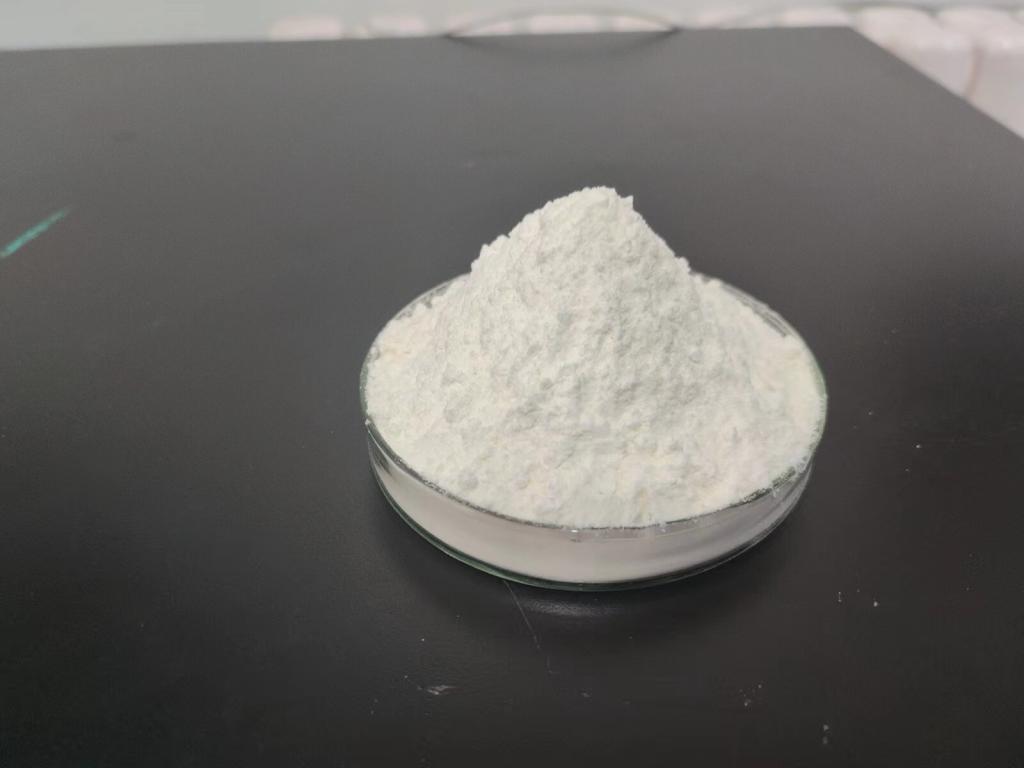
Introduction:
Frozen food products are widely consumed and appreciated for their long shelf life and convenience. However, the growth of spoilage microorganisms and the potential for pathogenic contamination during storage can impact the quality and safety of these products. ε-Polylysine hydrochloride, with its antimicrobial properties, holds promise as a natural preservative to extend the shelf life of frozen food products.
ε-Polylysine Hydrochloride: A Natural Antimicrobial Agent:
ε-Polylysine hydrochloride is a cationic peptide derived from natural sources, primarily produced through fermentation. It possesses broad-spectrum antimicrobial activity against various microorganisms, including bacteria, yeasts, and molds. Its safety profile and stability make it an attractive option for food preservation.
Mechanism of Action:
ε-Polylysine hydrochloride acts by disrupting the cell membrane of microorganisms, leading to cell death. It interferes with the integrity and function of the microbial cell membrane, effectively inhibiting microbial growth and reducing the risk of spoilage and pathogenic contamination.
Studies on the Effectiveness of ε-Polylysine Hydrochloride in Frozen Food Products:
Several studies have investigated the efficacy of ε-polylysine hydrochloride in extending the shelf life of frozen food products, evaluating its impact on microbial growth, sensory attributes, and overall quality.
4.1. Microbial Growth Inhibition:
Research has shown that ε-polylysine hydrochloride effectively inhibits the growth of various microorganisms, including spoilage bacteria and foodborne pathogens, in frozen food products. Its antimicrobial activity helps to control microbial populations and reduce the risk of food spoilage and associated quality deterioration.
4.2. Quality Preservation:
Studies have demonstrated that ε-polylysine hydrochloride can help preserve the quality of frozen food products during storage. It can effectively inhibit lipid oxidation, delay enzymatic browning, and maintain the texture, color, and flavor of frozen foods over an extended period.
4.3. Extension of Shelf Life:
The use of ε-polylysine hydrochloride in frozen food products has shown promising results in extending their shelf life. It helps to inhibit microbial growth, prevent spoilage, and maintain the overall quality attributes, thereby reducing food waste and enhancing consumer satisfaction.
Compatibility with Freezing and Thawing Processes:
Studies have also evaluated the compatibility of ε-polylysine hydrochloride with freezing and thawing processes commonly employed in frozen food production. It has been found that ε-polylysine hydrochloride retains its antimicrobial activity and functionality even after freezing and thawing, making it a suitable preservative for frozen food applications.
Regulatory Considerations and Consumer Perception:
Before implementing ε-polylysine hydrochloride as a preservative in frozen food products, regulatory approval and adherence to specific regulations are essential. Additionally, consumer perception studies should be conducted to evaluate acceptance and understanding of ε-polylysine hydrochloride as a natural preservative in frozen foods.
Future Directions and Challenges:
Further research is needed to optimize the concentration and application methods of ε-polylysine hydrochloride in frozen food products. Long-term storage studies, including sensory evaluations, nutritional analyses, and packaging compatibility assessments, are necessary to ensure the quality and safety of frozen food products.
Conclusion:
ε-Polylysine hydrochloride shows promise as a natural preservative to extend the shelf life of frozen food products. Its antimicrobial properties, compatibility with freezing and thawing processes, and ability to preserve quality attributes make it an attractive option for the food industry. With continued research and regulatory support, ε-polylysine hydrochloride has the potential to enhance the safety, quality, and shelf life of frozen food products, meeting consumer demands for convenient and sustainable food options.

Contact
- Tel:+8618231198596
- Whatsapp:18231198596
- Chat With Skype
- About Us About Us
- Products Food additive series nisin Veterinary medicine se...
- News News
- Contact Us Contact Us Message