
Tel:+8618231198596

News
 CONTACT
CONTACT
- Linkman:Linda Yao
- Tel: +8618231198596
- Email:linda.yao@dcpharma.cn
- Linkman:CHARLES.WANG
- Department:Overseas
- Tel: 0086 0311-85537378 0086 0311-85539701
News
Farmers integrate tylvalosin tartrate premix into comprehensive disease prevention programs.
TIME:2024-08-01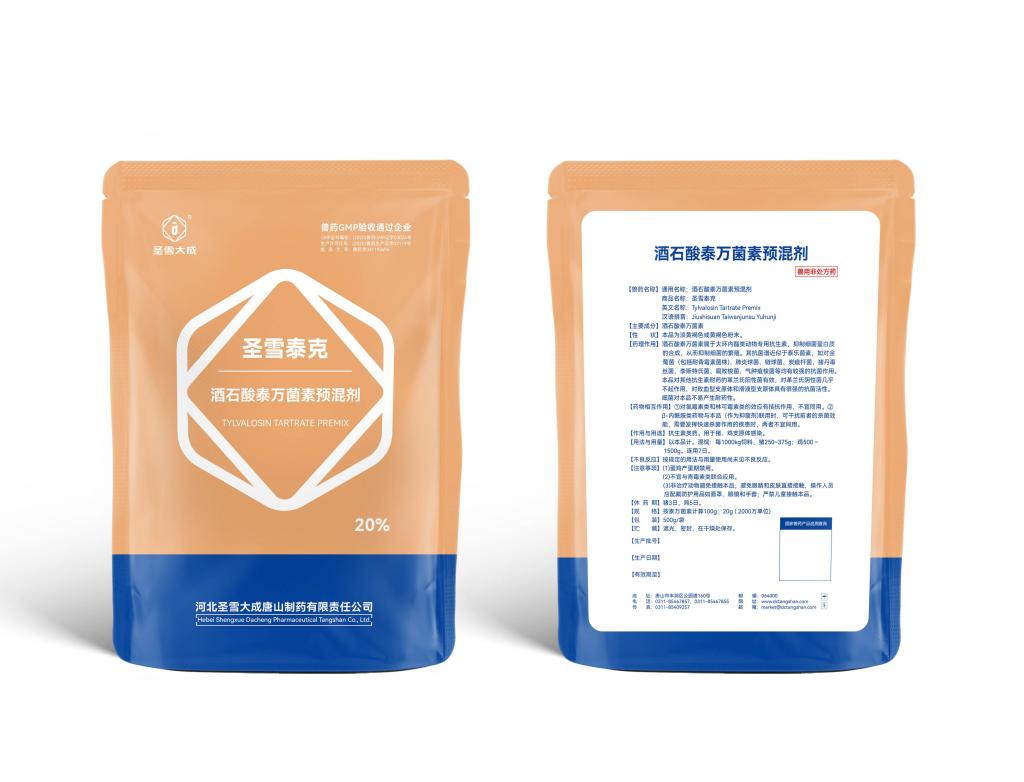
Understanding Tylvalosin Tartrate
Tylvalosin tartrate is an antibiotic used primarily in veterinary medicine to control bacterial infections in livestock. It is a macrolide antibiotic, related to tylosin, which targets a broad range of Gram-positive bacteria and some Gram-negative bacteria. Tylvalosin is commonly formulated as a premix for incorporation into animal feed, providing a convenient method for delivering the medication to livestock.
Chemical Structure and Mechanism of Action:
Tylvalosin belongs to the macrolide class of antibiotics, which are characterized by their large lactone ring structure. The mechanism of action involves binding to the 50S ribosomal subunit of bacterial ribosomes, inhibiting protein synthesis. By interfering with bacterial ribosomal function, tylvalosin disrupts the production of essential proteins, leading to bacterial cell death and ultimately controlling infections.
Production and Formulation:
Tylvalosin tartrate is produced through chemical synthesis and is formulated as a premix that can be incorporated into animal feed. The premix ensures that tylvalosin is evenly distributed throughout the feed, allowing for consistent and effective dosing. This formulation is particularly beneficial for large-scale farming operations where precise medication delivery is essential.
Applications of Tylvalosin Tartrate Premix
Tylvalosin tartrate premix is used in various livestock species to manage and prevent bacterial infections. Its applications span across multiple types of animals and production systems.
Swine:
In swine production, tylvalosin tartrate premix is used to control respiratory and enteric diseases. Common conditions treated include swine respiratory disease (SRD), which is often caused by pathogens such as Mycoplasma hyopneumoniae and Actinobacillus pleuropneumonia. Tylvalosin helps reduce the incidence of these diseases, improving respiratory health and overall performance in swine herds.
Poultry:
Tylvalosin is also used in poultry farming to manage bacterial infections that can affect growth and productivity. It is effective against pathogens such as Mycoplasma gallisepticum, which causes chronic respiratory disease in chickens. By incorporating tylvalosin into poultry feed, farmers can reduce the prevalence of respiratory issues and enhance flock health and productivity.
Cattle:
In beef and dairy cattle production, tylvalosin tartrate premix is utilized to control infections in both the respiratory and gastrointestinal systems. It is effective against pathogens such as Pasteurella multocida and Mycoplasma bovis, which can cause pneumonia and mastitis, respectively. By preventing and managing these infections, tylvalosin contributes to improved milk production and weight gain in cattle.
Other Livestock:
Although less common, tylvalosin tartrate premix may also be used in other livestock species where bacterial infections pose a threat. Its broad-spectrum activity makes it a versatile option for managing various bacterial diseases across different types of farm animals.
Benefits of Integrating Tylvalosin Tartrate Premix
The integration of tylvalosin tartrate premix into comprehensive disease prevention programs offers several benefits, contributing to improved animal health, productivity, and farm profitability.
Enhanced Disease Control:
Tylvalosin’s broad-spectrum antimicrobial activity helps control a wide range of bacterial infections. By incorporating tylvalosin into feed, farmers can effectively manage and prevent diseases that impact animal health and productivity. This control reduces the risk of disease outbreaks and improves overall herd or flock health.
Improved Animal Performance:
By reducing the incidence of bacterial infections, tylvalosin tartrate premix contributes to better animal performance. Healthier animals exhibit improved growth rates, feed conversion ratios, and milk production. This enhancement in performance translates to increased profitability for farmers and better-quality products for consumers.
Convenient Administration:
The premix formulation allows for easy and consistent administration of tylvalosin. Incorporating the medication into animal feed ensures that all animals receive the correct dosage, reducing the risk of under- or overdosing. This convenience is particularly valuable in large-scale farming operations where manual administration of antibiotics can be challenging.
Prevention of Secondary Infections:
Tylvalosin’s ability to control primary bacterial infections can help prevent secondary infections that may occur as a result of compromised immune systems. By addressing the root cause of infection, tylvalosin reduces the likelihood of subsequent health issues, further enhancing overall animal well-being.
Reduced Use of Injectable Antibiotics:
Incorporating tylvalosin tartrate premix into feed can reduce the need for injectable antibiotics. This reduction minimizes the stress on animals associated with injections and lowers labor costs for farmers. Additionally, it helps in maintaining better animal welfare standards.
Integration into Comprehensive Disease Prevention Programs
The successful integration of tylvalosin tartrate premix into disease prevention programs involves a strategic approach that considers various factors related to animal health management.
Disease Monitoring and Diagnosis:
Effective disease prevention programs begin with vigilant monitoring and accurate diagnosis of health issues. Farmers should regularly assess animal health, monitor for signs of illness, and conduct diagnostic tests to identify bacterial pathogens. This information helps in making informed decisions about the use of tylvalosin and other preventive measures.
Tailored Medication Strategies:
The integration of tylvalosin tartrate premix should be tailored to the specific needs of the farm and the diseases being managed. This involves determining the appropriate dosage, duration of treatment, and timing of administration based on the targeted pathogens and the stage of the production cycle.
Biosecurity Measures:
In addition to using tylvalosin tartrate premix, implementing robust biosecurity measures is essential for disease prevention. This includes practices such as maintaining clean and hygienic facilities, controlling access to animals, and implementing quarantine protocols for new or sick animals. A comprehensive approach to biosecurity enhances the effectiveness of tylvalosin and other preventive interventions.
Nutritional Management:
Proper nutritional management complements the use of tylvalosin by ensuring that animals receive a balanced diet that supports their immune system and overall health. Nutritional deficiencies can compromise the effectiveness of antibiotics and increase susceptibility to infections. Therefore, integrating tylvalosin with a well-designed feeding program maximizes its benefits.
Education and Training:
Farmers and farm staff should be educated about the proper use of tylvalosin tartrate premix and other components of the disease prevention program. Training on topics such as dosage calculations, feed mixing, and monitoring for side effects ensures that the medication is used effectively and safely.
Regulatory Status and Safety
The use of tylvalosin tartrate premix is subject to regulatory oversight to ensure its safety and efficacy in animal health management.
Regulatory Approvals:
Tylvalosin tartrate has been approved for use in various livestock species by regulatory authorities in different countries. These approvals are based on comprehensive evaluations of the drug’s safety, efficacy, and potential impact on animal health and food safety.
Safety Considerations:
While tylvalosin tartrate is generally considered safe for use in livestock, adherence to recommended dosages and withdrawal periods is essential. Proper use minimizes the risk of potential side effects and ensures that antibiotic residues do not persist in animal products. Farmers should follow guidelines provided by regulatory authorities and veterinarians to ensure safe use.
Antibiotic Stewardship:
The responsible use of tylvalosin tartrate is an important aspect of antibiotic stewardship. This involves using antibiotics judiciously to prevent the development of antibiotic-resistant bacteria. Farmers should work with veterinarians to implement strategies that balance the need for disease control with the principles of responsible antibiotic use.
Challenges and Future Directions
Despite its benefits, the use of tylvalosin tartrate premix in disease prevention programs faces certain challenges that require ongoing research and innovation.
Antibiotic Resistance:
The development of antibiotic-resistant bacteria is a significant concern in veterinary medicine. Continued research into alternative treatments and resistance management strategies is essential to address this challenge. Integrating tylvalosin with other preventive measures and promoting responsible antibiotic use can help mitigate resistance issues.
Cost and Accessibility:
The cost of tylvalosin tartrate premix may pose challenges for some farmers, particularly in regions with limited resources. Research into cost-effective production methods and the availability of generic alternatives can improve accessibility and affordability.
Research and Development:
Ongoing research into the efficacy of tylvalosin against emerging bacterial pathogens and its potential applications in different livestock species is crucial. Innovations in drug formulation and delivery systems can enhance the effectiveness of tylvalosin and expand its use in disease prevention programs.
Conclusion
Tylvalosin tartrate premix plays a vital role in modern animal health management by enhancing disease prevention and extending the shelf life of livestock. Its broad-spectrum antimicrobial activity, ease of administration, and benefits in improving animal health and productivity make it a valuable tool for farmers. Integrating tylvalosin into comprehensive disease prevention programs requires careful planning, monitoring, and adherence to regulatory guidelines.

Contact
- Tel:+8618231198596
- Whatsapp:18231198596
- Chat With Skype
- About Us About Us
- Products Food additive series nisin Veterinary medicine se...
- News News
- Contact Us Contact Us Message