
Tel:+8618231198596

News
 CONTACT
CONTACT
- Linkman:Linda Yao
- Tel: +8618231198596
- Email:linda.yao@dcpharma.cn
- Linkman:CHARLES.WANG
- Department:Overseas
- Tel: 0086 0311-85537378 0086 0311-85539701
News
Current Position:
Home >
News
>Can Nisin be used in the preservation of breakfast cereals or granola bars?
Can Nisin be used in the preservation of breakfast cereals or granola bars?
TIME:2023-06-28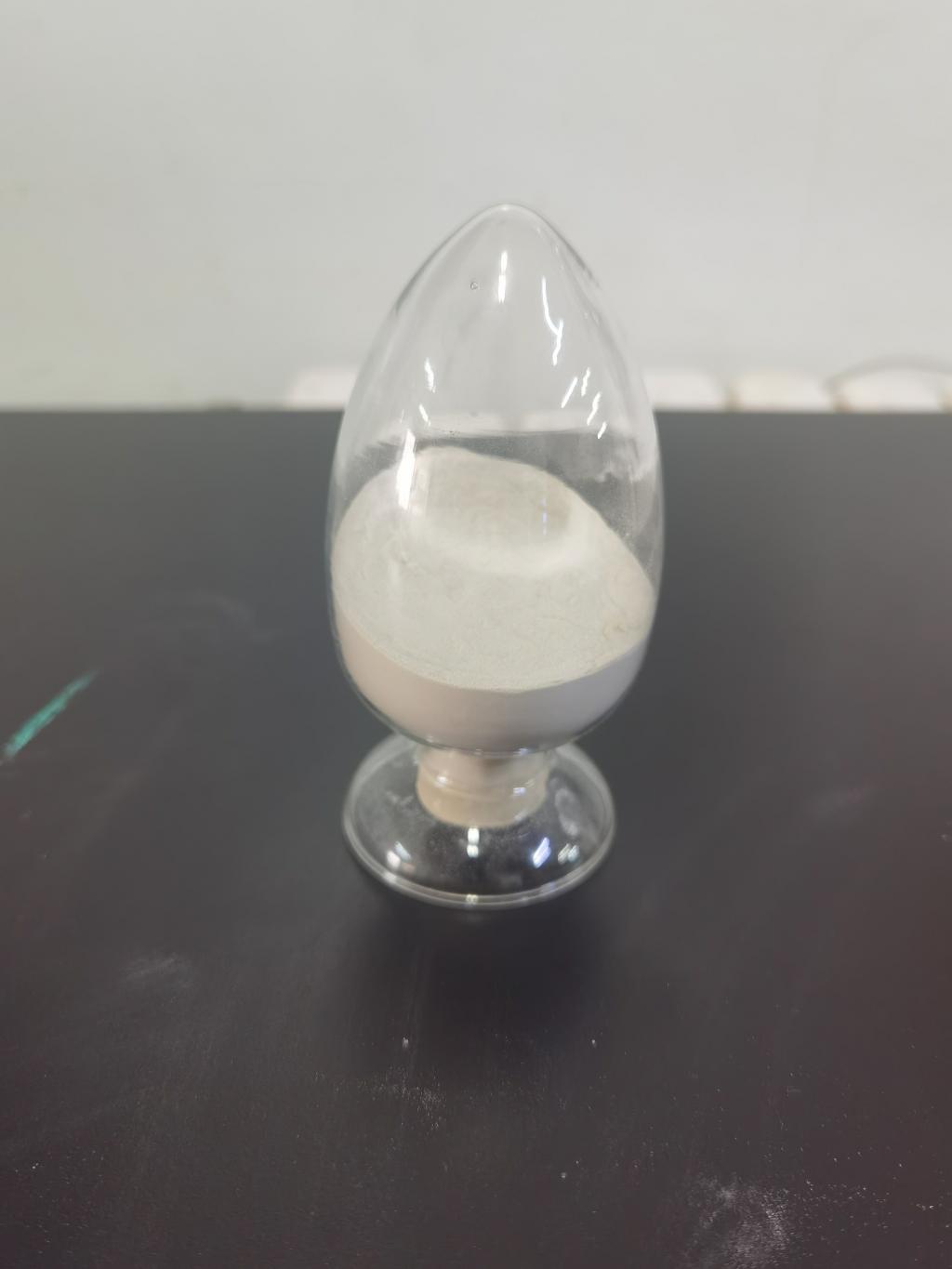
Introduction:
Breakfast cereals and granola bars are widely consumed breakfast and snack options, appreciated for their convenience and nutritional value. However, their susceptibility to microbial spoilage and the need for extended shelf life necessitate the use of effective preservatives. Nisin, a natural antimicrobial peptide, offers potential as a preservative in these products, addressing consumer demands for clean label ingredients and natural preservation methods.
Nisin: A Natural Antimicrobial Peptide:
Nisin is a naturally occurring antimicrobial peptide produced by specific strains of Lactococcus lactis bacteria. It is recognized as safe (GRAS) and approved as a food preservative in numerous countries. Nisin exhibits potent antimicrobial activity against a wide range of Gram-positive bacteria, including common foodborne pathogens and spoilage microorganisms.
Mechanism of Action:
Nisin acts by disrupting the integrity of bacterial cell membranes, leading to cell death. It selectively targets lipid II, a molecule involved in peptidoglycan synthesis that is present in the cell walls of Gram-positive bacteria. The unique mode of action of nisin reduces the likelihood of microbial resistance development, making it a valuable natural preservative.
Studies on Nisin Application in Breakfast Cereals and Granola Bars:
Several studies have explored the efficacy of nisin as a preservative in breakfast cereals and granola bars, evaluating its impact on microbial growth, sensory attributes, and shelf life extension.
4.1. Microbial Growth Inhibition:
Research indicates that nisin effectively inhibits the growth of various foodborne pathogens, including Bacillus cereus and Listeria monocytogenes, in breakfast cereal and granola bar formulations. Nisin-treated samples demonstrated significantly lower microbial counts, reducing the risk of spoilage and enhancing product safety.
4.2. Shelf Life Extension:
Nisin has shown promise in extending the shelf life of breakfast cereals and granola bars by inhibiting bacterial growth. Studies have reported that nisin-treated samples exhibited delayed microbial spoilage, maintained product quality, and preserved sensory attributes over an extended storage period.
4.3. Sensory Attributes:
Sensory evaluations have indicated that nisin does not adversely affect the taste, texture, or overall acceptability of breakfast cereals and granola bars. Nisin-treated samples were comparable to control samples, ensuring consumer satisfaction and acceptability of the preserved products.
Synergistic Effects and Combination Approaches:
Nisin can be used synergistically with other natural preservatives or preservation techniques to enhance its effectiveness in breakfast cereals and granola bars. Combining nisin with antioxidants, essential oils, or modified atmosphere packaging has shown promising results in inhibiting microbial growth, extending shelf life, and maintaining product quality.
Regulatory Considerations and Consumer Perception:
Regulatory approval for nisin as a preservative varies across jurisdictions and specific applications. Before implementing nisin in breakfast cereals and granola bars, it is important to consider regional regulations and ensure compliance. Additionally, consumer perception studies are necessary to evaluate acceptance and understanding of nisin as a natural preservative in these products.
Future Directions and Challenges:
Further research is needed to optimize the concentration and application methods of nisin in breakfast cereals and granola bars. Long-term studies are required to assess the impact of nisin on product quality, nutritional value, and potential interactions with other ingredients. Collaboration between researchers, industry, and regulatory bodies is crucial in overcoming challenges and facilitating the successful implementation of nisin as a natural preservative.
Conclusion:
Nisin offers potential as a natural preservative in breakfast cereals and granola bars, addressing the need for extended shelf life and microbial spoilage prevention. Its antimicrobial properties, GRAS status, and compatibility with clean label requirements make it a promising alternative to synthetic additives. Further research and regulatory support are essential to unlocking the full potential of nisin in preserving the quality and safety of breakfast cereals and granola bars, while meeting consumer demands for natural and sustainable food options.

Contact
- Tel:+8618231198596
- Whatsapp:18231198596
- Chat With Skype
- About Us About Us
- Products Food additive series nisin Veterinary medicine se...
- News News
- Contact Us Contact Us Message