
Tel:+8618231198596

News
 CONTACT
CONTACT
- Linkman:Linda Yao
- Tel: +8618231198596
- Email:linda.yao@dcpharma.cn
- Linkman:CHARLES.WANG
- Department:Overseas
- Tel: 0086 0311-85537378 0086 0311-85539701
News
Current Position:
Home >
News
>Can ε-Polylysine hydrochloride be used in combination with natural preservatives?
Can ε-Polylysine hydrochloride be used in combination with natural preservatives?
TIME:2023-06-25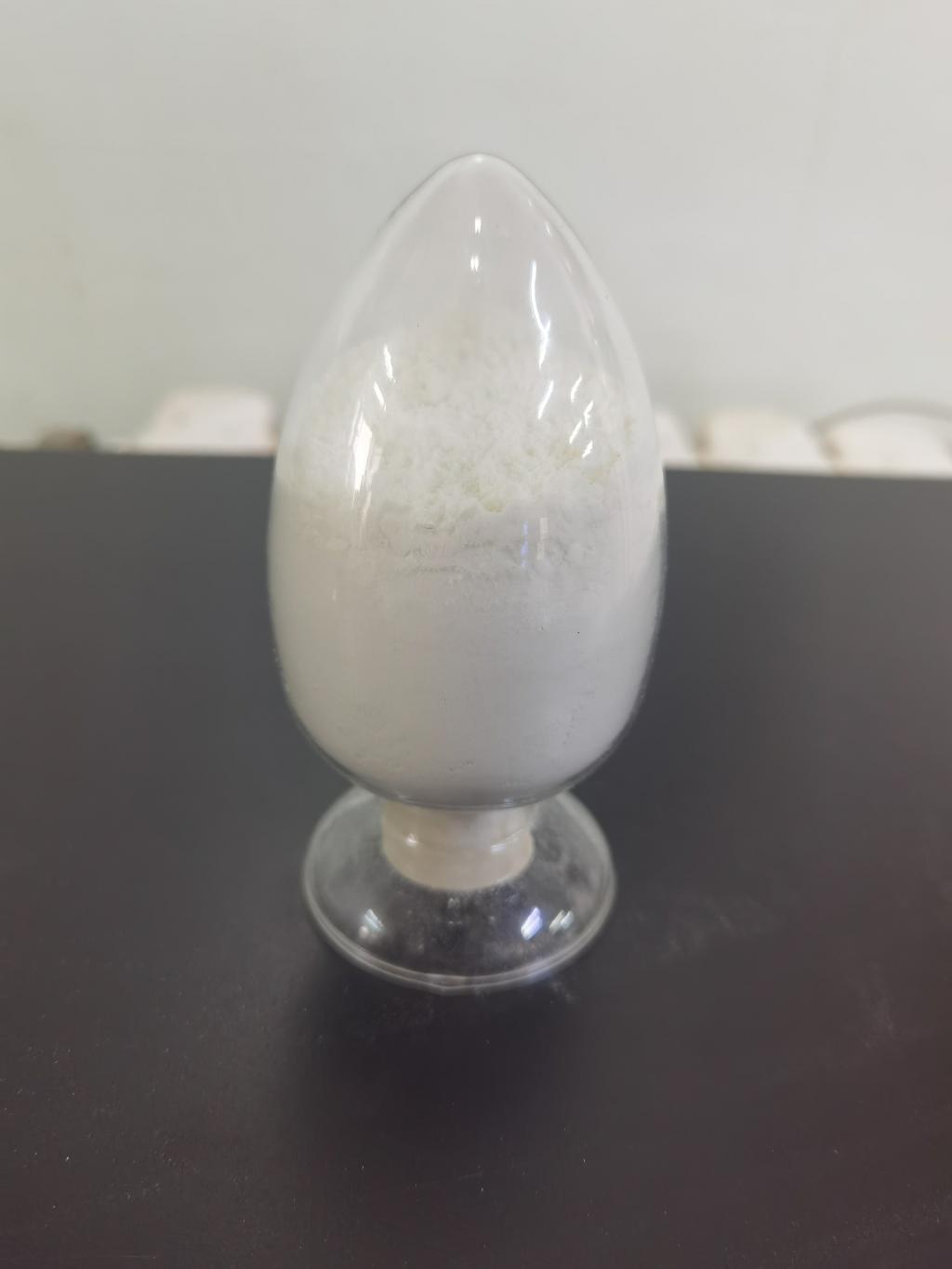
ε-Polylysine Hydrochloride: An Overview:
ε-Polylysine hydrochloride is a cationic homopolymer composed of lysine units linked by peptide bonds. It possesses broad-spectrum antimicrobial activity against bacteria, fungi, and some viruses. ε-Polylysine hydrochloride acts by disrupting microbial cell membranes and inhibiting cellular metabolism, making it an attractive natural preservative.
Benefits of Combining ε-Polylysine Hydrochloride with Natural Preservatives:
2.1 Enhanced Antimicrobial Activity:
Combining ε-Polylysine hydrochloride with other natural preservatives or antimicrobial agents can lead to synergistic effects, resulting in enhanced antimicrobial activity. The combination of different mechanisms of action can target multiple microbial targets, improving overall efficacy in inhibiting microbial growth.
2.2 Broader Spectrum of Activity:
Different natural preservatives and antimicrobial agents exhibit varying spectra of activity against specific microorganisms. By combining ε-Polylysine hydrochloride with other natural compounds, a broader spectrum of antimicrobial activity can be achieved, effectively inhibiting a wider range of spoilage and pathogenic microorganisms.
2.3 Reduction of Minimum Inhibitory Concentration (MIC):
Combining ε-Polylysine hydrochloride with other natural preservatives or antimicrobial agents can potentially reduce the minimum inhibitory concentration (MIC) required to control microbial growth. Synergistic interactions can allow for lower concentrations of individual components, minimizing the risk of undesirable sensory changes or adverse effects on product quality.
Synergistic Combinations:
3.1 Organic Acids:
Organic acids, such as acetic acid, lactic acid, and citric acid, are commonly used natural preservatives. Studies have shown that combining ε-Polylysine hydrochloride with organic acids can enhance their antimicrobial activity. The combination of ε-Polylysine hydrochloride with organic acids has been demonstrated to effectively inhibit the growth of spoilage and pathogenic bacteria in various food products.
3.2 Essential Oils:
Essential oils derived from plants possess antimicrobial properties and are used as natural preservatives. Combining ε-Polylysine hydrochloride with essential oils, such as oregano, thyme, or tea tree oil, has been shown to result in synergistic antimicrobial effects. These combinations have demonstrated efficacy in inhibiting microbial growth in food, cosmetics, and pharmaceutical applications.
3.3 Plant Extracts:
Plant extracts, rich in bioactive compounds, offer potential as natural preservatives. When combined with ε-Polylysine hydrochloride, plant extracts, such as grape seed extract, green tea extract, or rosemary extract, have exhibited enhanced antimicrobial activity. The synergistic effects of these combinations can be attributed to the presence of multiple bioactive components in the extracts.
Considerations for Application:
4.1 Sensory Impact:
When combining ε-Polylysine hydrochloride with other natural preservatives or antimicrobial agents, it is crucial to consider the potential sensory impact on the preserved product. The combined ingredients should not negatively affect the taste, aroma, or texture of the product, ensuring consumer acceptance.
4.2 Stability and Compatibility:
The stability and compatibility of the combination of ε-Polylysine hydrochloride with other natural preservatives or antimicrobial agents should be assessed. Compatibility studies can evaluate the physical and chemical interactions between components to ensure the preservation efficacy and product stability.
4.3 Regulatory Approval:
Before utilizing combinations of ε-Polylysine hydrochloride with other natural preservatives or antimicrobial agents, regulatory approval should be sought, as specific regulations may govern the use of these combinations in different industries and regions.
Future Perspectives:
Further research is needed to explore and optimize the combinations of ε-Polylysine hydrochloride with other natural preservatives or antimicrobial agents. The synergistic effects should be studied in different food and non-food applications to evaluate their efficacy, safety, and potential commercial viability. Additionally, the mechanisms of synergy and potential interactions should be elucidated to understand the underlying synergistic effects.
Conclusion:
Combining ε-Polylysine hydrochloride with other natural preservatives or antimicrobial agents offers an innovative approach to enhance antimicrobial efficacy and broaden the applications of this natural antimicrobial agent. Synergistic combinations have demonstrated improved antimicrobial activity, a broader spectrum of activity, and a potential reduction in minimum inhibitory concentration. However, thorough studies on sensory impact, stability, compatibility, and regulatory approval are necessary for the successful implementation of these combinations in various industries. Future research should focus on optimizing these combinations and exploring their mechanisms of synergy to unlock their full potential in preserving diverse products.

Contact
- Tel:+8618231198596
- Whatsapp:18231198596
- Chat With Skype
- About Us About Us
- Products Food additive series nisin Veterinary medicine se...
- News News
- Contact Us Contact Us Message