
Tel:+8618231198596

News
 CONTACT
CONTACT
- Linkman:Linda Yao
- Tel: +8618231198596
- Email:linda.yao@dcpharma.cn
- Linkman:CHARLES.WANG
- Department:Overseas
- Tel: 0086 0311-85537378 0086 0311-85539701
News
Are there any studies on the efficacy of Nisin in inhibiting bacterial growth in salad greens?
TIME:2023-06-26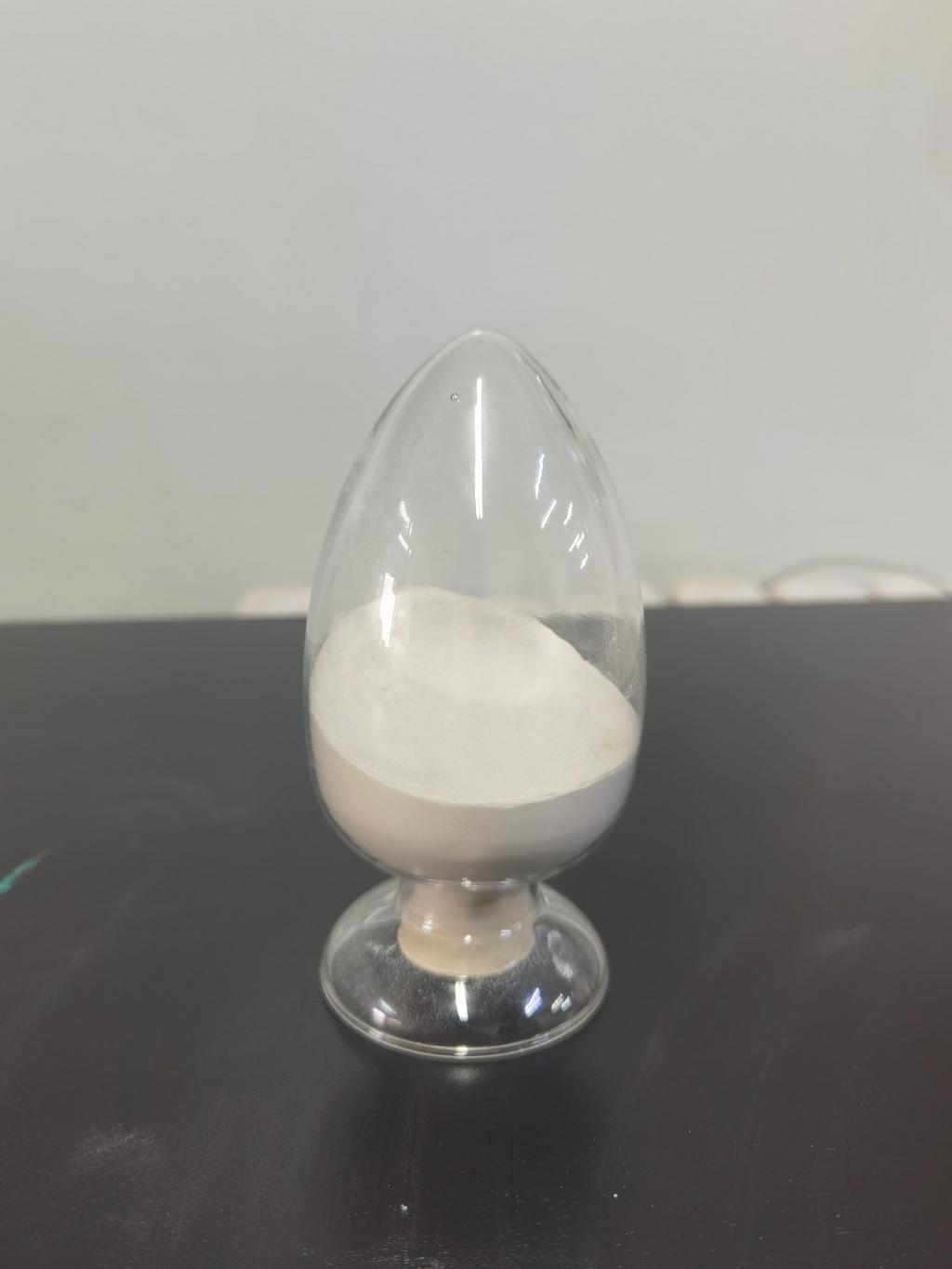
Understanding Nisin:
1.1 Definition and Source:
Nisin is a natural antimicrobial peptide produced by certain strains of the bacterium Lactococcus lactis. It falls under the class I bacteriocin category and is generally recognized as safe (GRAS) by regulatory bodies.
1.2 Antimicrobial Activity:
Nisin exhibits potent antimicrobial activity against a broad spectrum of gram-positive bacteria, including common foodborne pathogens like Listeria monocytogenes and Staphylococcus aureus. It disrupts the cell walls and membranes of these bacteria, leading to their destruction or inhibition of growth.
Bacterial Contamination in Salad Greens and Fresh Produce:
Salad greens and fresh produce can be susceptible to bacterial contamination throughout the production and distribution chain. The presence of pathogens such as Escherichia coli, Salmonella spp., and Shigella spp. can pose significant health risks. Therefore, effective measures to inhibit bacterial growth are crucial to ensure food safety.
Studies on the Efficacy of Nisin in Salad Greens and Fresh Produce:
3.1 Inhibition of Pathogenic Bacteria:
Several studies have investigated the efficacy of nisin in inhibiting pathogenic bacteria in salad greens and fresh produce. These studies have shown promising results, demonstrating the ability of nisin to effectively reduce bacterial populations, including Listeria monocytogenes and E. coli, on various types of salad greens.
3.2 Extended Shelf Life:
Nisin has also been studied for its potential to extend the shelf life of salad greens and fresh produce. By inhibiting the growth of spoilage bacteria, nisin can help maintain product quality and freshness for a longer period, thereby reducing food waste.
Factors Influencing Nisin's Efficacy:
4.1 Concentration and Contact Time:
The concentration of nisin and the duration of contact with salad greens and fresh produce can impact its efficacy. Studies have indicated that higher nisin concentrations and longer contact times generally lead to better inhibitory effects against bacterial growth.
4.2 pH Levels:
The pH of the product or the washing solution used can influence nisin's antimicrobial activity. Nisin is more effective in acidic conditions, suggesting that adjusting the pH of the washing solution to an optimal range may enhance its efficacy.
4.3 Temperature:
Temperature can affect the stability and activity of nisin. Studies have shown that nisin's antimicrobial effectiveness can be influenced by temperature, with lower temperatures generally improving its stability and efficacy.
Regulatory Considerations:
5.1 GRAS Status:
Nisin has been granted GRAS status by regulatory authorities, making it suitable for use in food applications, including salad greens and fresh produce. Compliance with local regulations and permitted usage levels is essential.
5.2 Good Agricultural Practices (GAPs):
Adhering to Good Agricultural Practices, including proper handling, washing, and storage of salad greens and fresh produce, is crucial for food safety. Incorporating nisin as an additional control measure can complement these practices.
Consumer Perception and Acceptance:
Consumer demand for safe and fresh produce continues to rise. The use of natural antimicrobial agents like nisin aligns with consumer preferences for clean label ingredients. Proper communication and education about the safety and benefits of nisin can enhance consumer acceptance.
Conclusion:
Studies have demonstrated the potential efficacy of nisin in inhibiting bacterial growth and extending the shelf life of salad greens and fresh produce. Its natural origin, broad-spectrum antimicrobial activity, and alignment with consumer preferences make it a promising option for enhancing food safety in the fresh produce industry. However, further research is needed to optimize nisin concentrations, contact times, and processing conditions to maximize its effectiveness in different produce types. By incorporating nisin as a part of a comprehensive food safety strategy, producers and manufacturers can contribute to the delivery of safer and longer-lasting salad greens and fresh produce to consumers.

Contact
- Tel:+8618231198596
- Whatsapp:18231198596
- Chat With Skype
- About Us About Us
- Products Food additive series nisin Veterinary medicine se...
- News News
- Contact Us Contact Us Message