
Tel:+8618231198596

News
 CONTACT
CONTACT
- Linkman:Linda Yao
- Tel: +8618231198596
- Email:linda.yao@dcpharma.cn
- Linkman:CHARLES.WANG
- Department:Overseas
- Tel: 0086 0311-85537378 0086 0311-85539701
News
Current Position:
Home >
News
>Are there any ongoing research studies related to ε-Polylysine hydrochloride?
Are there any ongoing research studies related to ε-Polylysine hydrochloride?
TIME:2023-06-26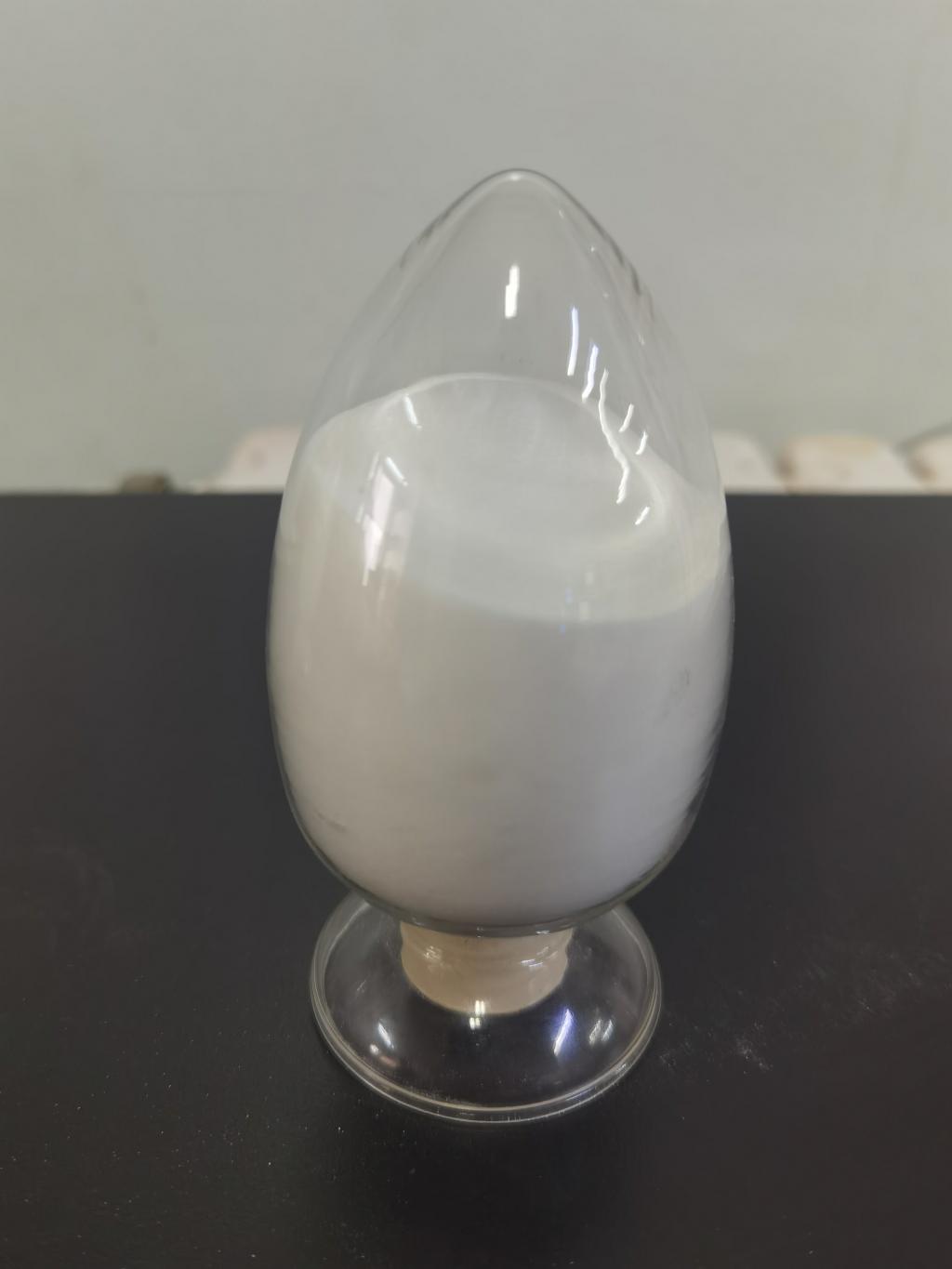
Understanding ε-Polylysine Hydrochloride:
1.1 Definition and Source:
ε-Polylysine hydrochloride is a cationic polymer composed of multiple lysine units linked by peptide bonds. It is produced through the fermentation of Streptomyces albulus, a bacterium commonly found in soil.
1.2 Antimicrobial Activity:
ε-PL exhibits potent antimicrobial activity against a broad range of microorganisms, including bacteria, yeast, and molds. It disrupts the integrity of microbial cell membranes, leading to cell lysis or inhibition of growth.
Food Industry Applications:
2.1 Preservation of Food Products:
ε-PL has been extensively studied for its preservative properties in food products. Ongoing research aims to optimize its application in different food categories, including meat, seafood, dairy, and bakery products. ε-PL's effectiveness in inhibiting various foodborne pathogens, such as Escherichia coli and Salmonella spp., makes it a promising natural alternative to chemical preservatives.
2.2 Extension of Shelf Life:
Researchers are investigating the potential of ε-PL in extending the shelf life of perishable food items. By inhibiting the growth of spoilage microorganisms, ε-PL can help maintain product quality and freshness, reducing food waste and improving sustainability in the food industry.
Medical and Pharmaceutical Applications:
3.1 Antimicrobial Agent in Healthcare Settings:
Ongoing studies explore the use of ε-PL as an antimicrobial agent in healthcare settings. Its ability to combat drug-resistant bacteria, such as methicillin-resistant Staphylococcus aureus (MRSA), offers potential in preventing and treating infections. ε-PL-coated medical devices and wound dressings are being investigated for their efficacy in reducing bacterial colonization and infection rates.
3.2 Drug Delivery System:
Researchers are exploring the incorporation of ε-PL into drug delivery systems to enhance the stability and bioavailability of pharmaceutical compounds. ε-PL's biocompatibility and controlled-release properties make it a valuable candidate for improving drug delivery efficiency and therapeutic outcomes.
Agricultural Applications:
4.1 Plant Disease Control:
Ongoing research investigates the potential of ε-PL in plant disease management. Studies explore its effectiveness in controlling various plant pathogens, including fungi and bacteria, to mitigate crop losses and reduce reliance on synthetic pesticides. ε-PL's eco-friendly nature and low toxicity make it an attractive option for sustainable agriculture.
4.2 Post-Harvest Preservation:
The use of ε-PL for post-harvest preservation is being explored to extend the shelf life of fruits and vegetables. Ongoing studies aim to optimize application methods and concentrations to inhibit microbial growth, delay ripening processes, and maintain the quality and nutritional content of harvested produce.
Regulatory Considerations and Safety:
ε-Polylysine hydrochloride is generally recognized as safe (GRAS) for use as a food preservative by regulatory authorities in several countries. Ongoing research continues to provide scientific evidence supporting its safety and efficacy, contributing to regulatory guidelines and considerations.
Future Perspectives and Challenges:
Despite the promising applications of ε-PL, there are several challenges that ongoing research aims to address. These include optimizing production methods, exploring novel delivery systems, improving compatibility with other ingredients, and understanding the potential interactions and effects of ε-PL in complex food matrices and biological systems.
Conclusion:
Ongoing research studies and developments on ε-polylysine hydrochloride highlight its potential across various industries, including food, medical, and agriculture. The antimicrobial properties of ε-PL make it a valuable tool for food preservation, healthcare applications, and sustainable agriculture. Continued research efforts will further enhance our understanding of ε-PL's efficacy, safety, and optimal applications, paving the way for its wider adoption and contribution to a safer and more sustainable future.

Contact
- Tel:+8618231198596
- Whatsapp:18231198596
- Chat With Skype
- About Us About Us
- Products Food additive series nisin Veterinary medicine se...
- News News
- Contact Us Contact Us Message